Bandai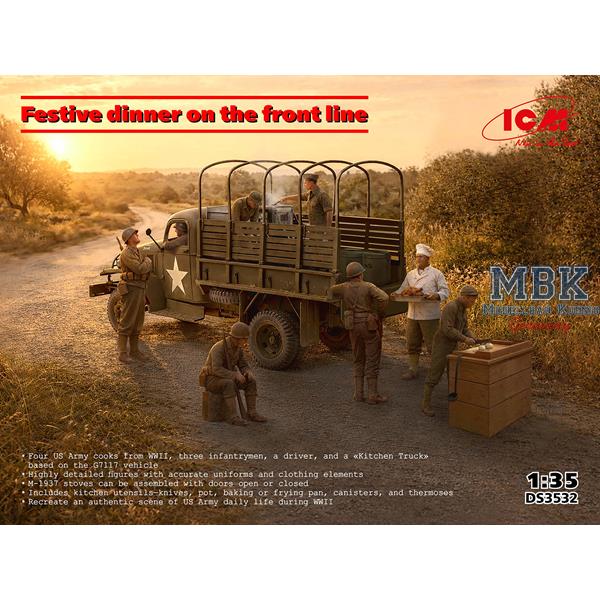
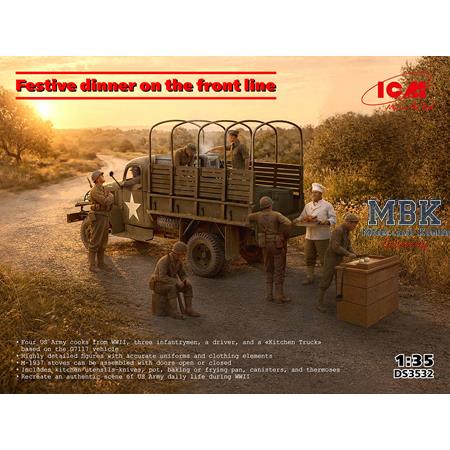
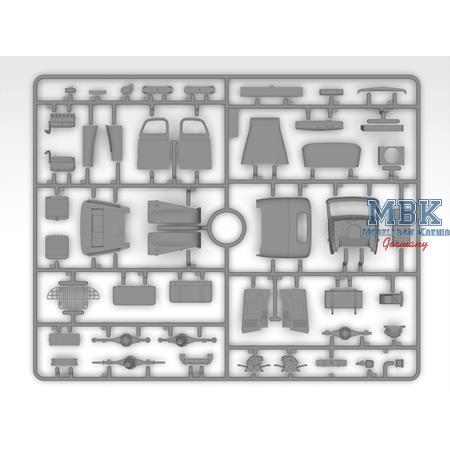
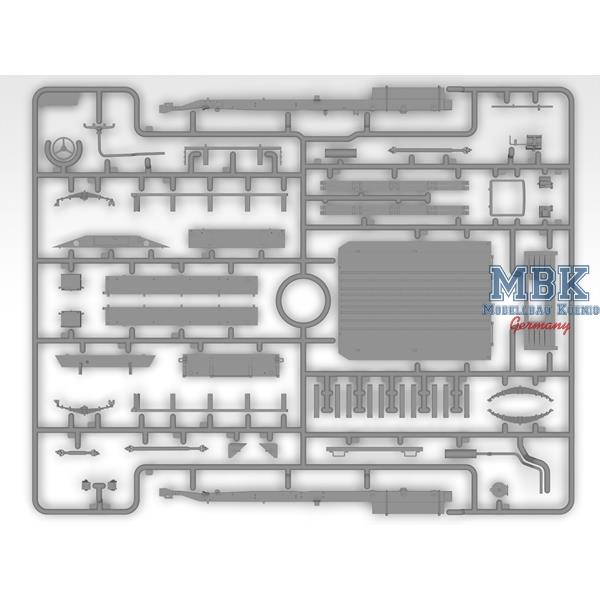
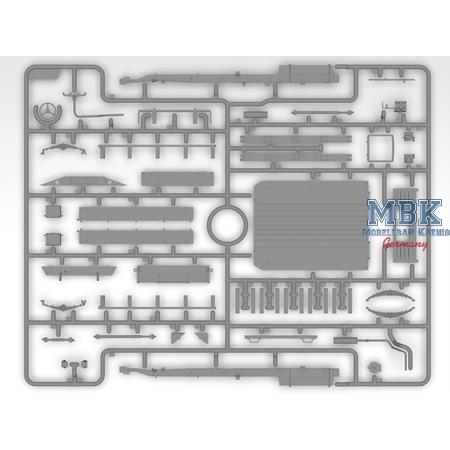
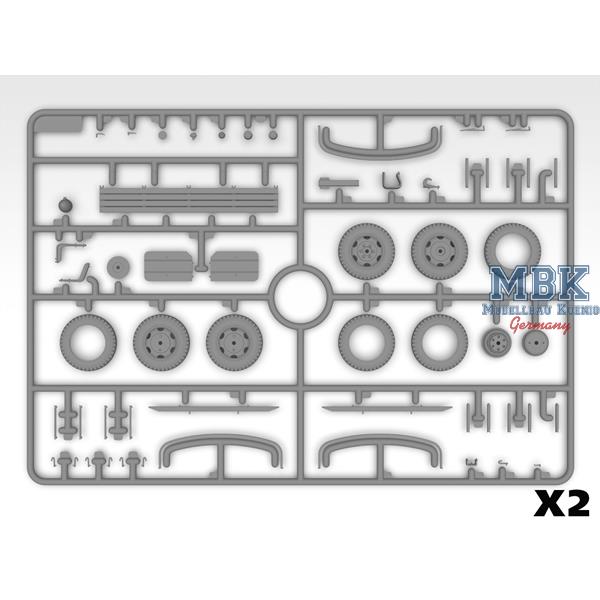
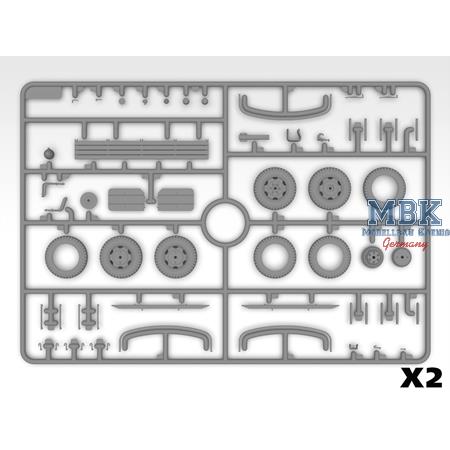
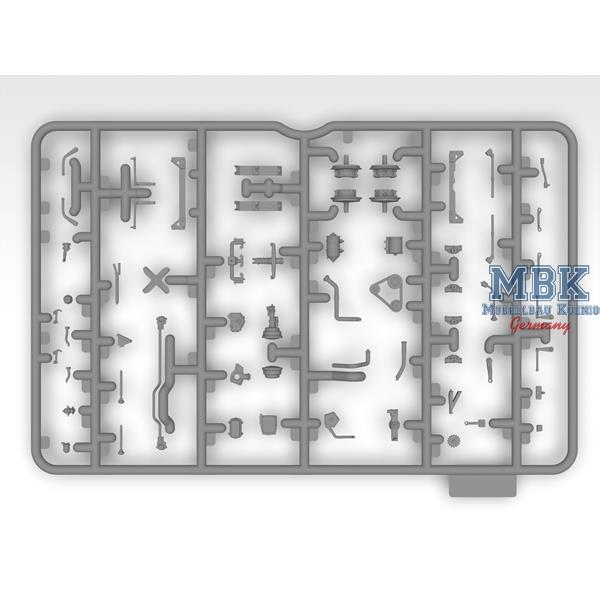
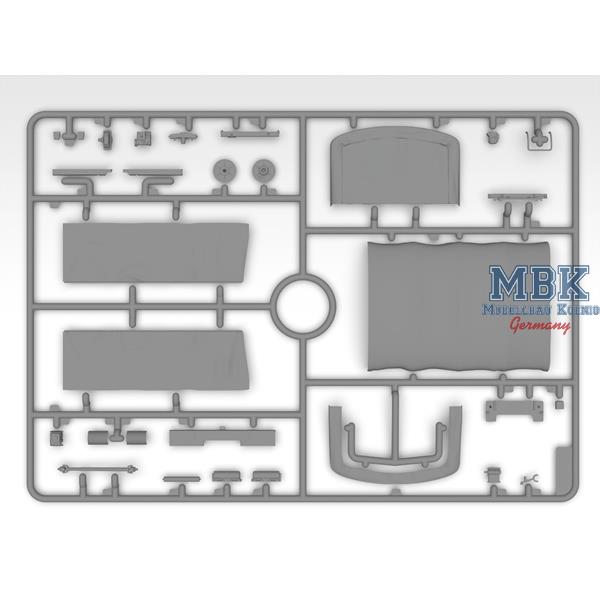
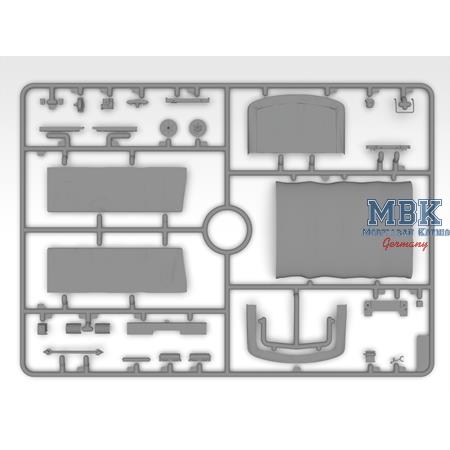
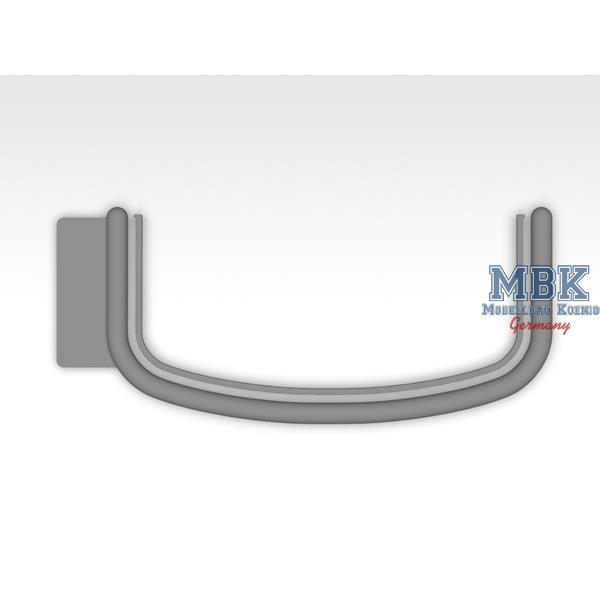
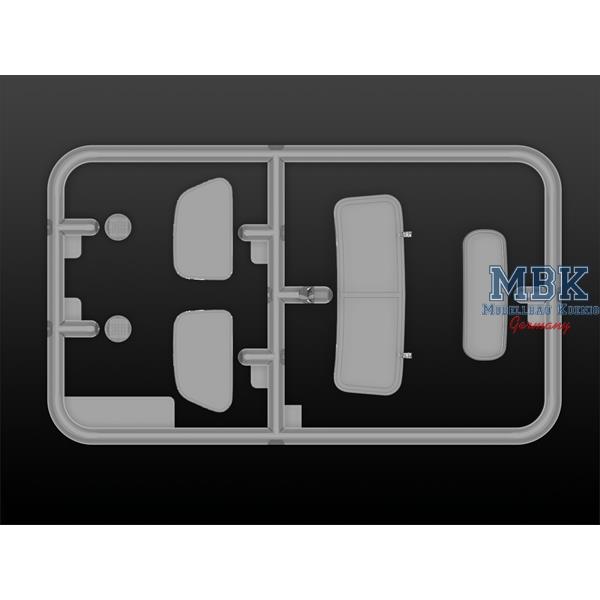
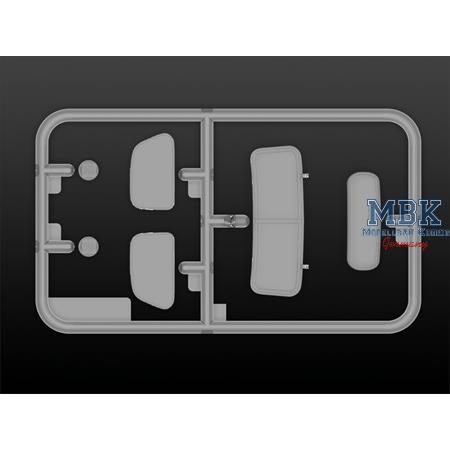
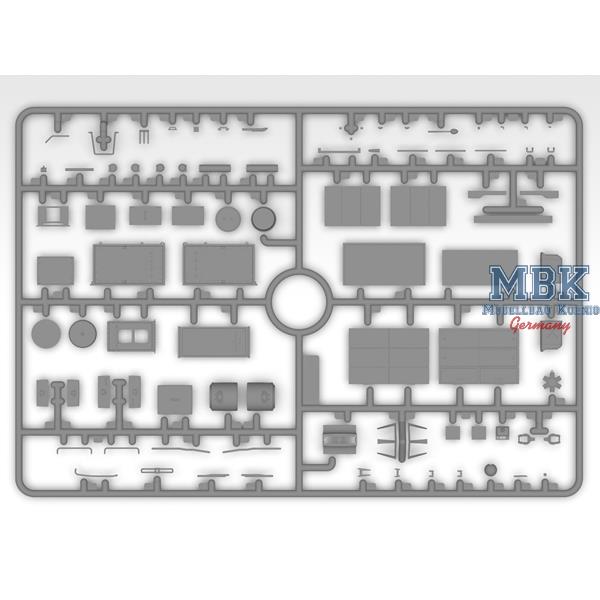
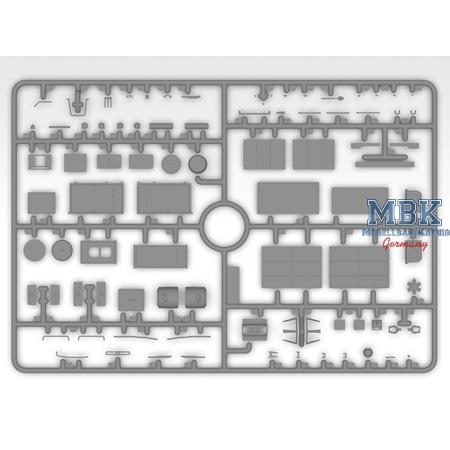
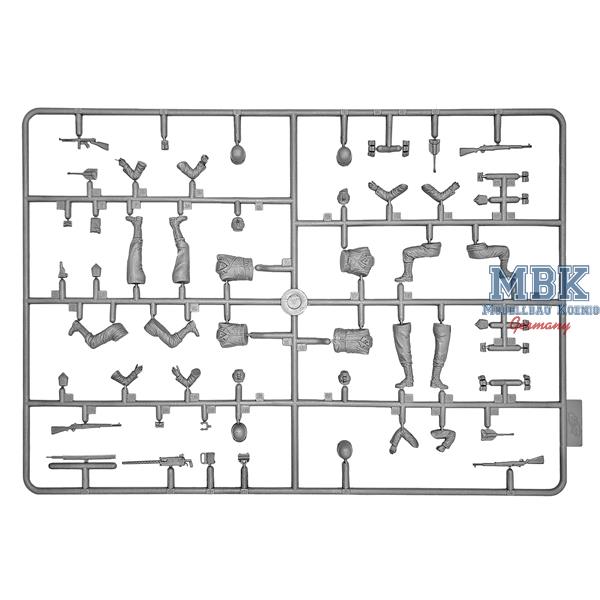
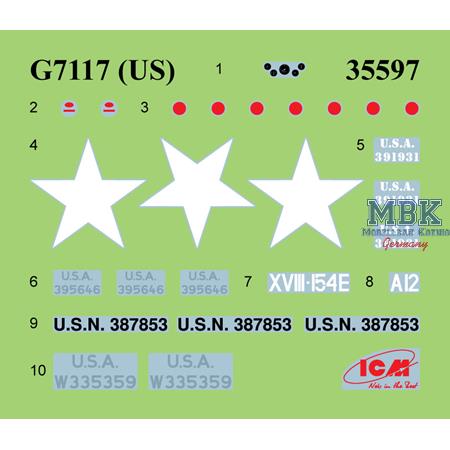


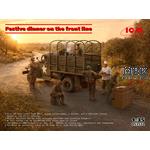
Festive dinner on the front line (G7117, M1937 st)
Item Number:
ICMDS3532
ICMDS3532
Manufacturer
ICM
ICM
Scale:
1:35
1:35

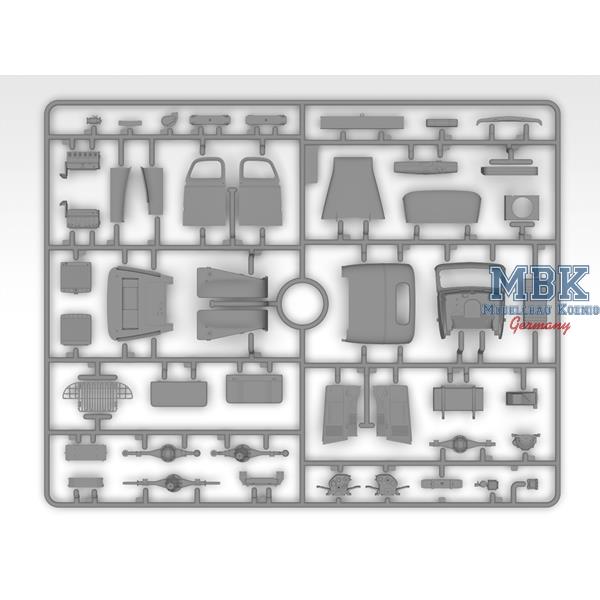
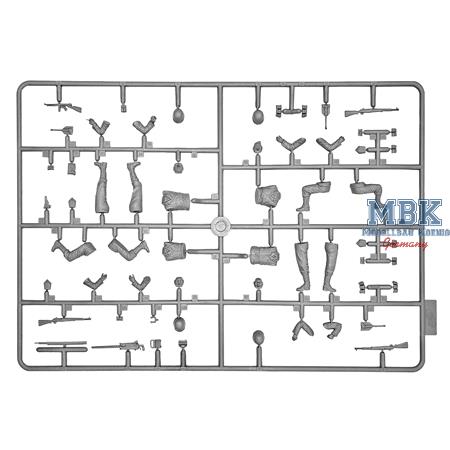
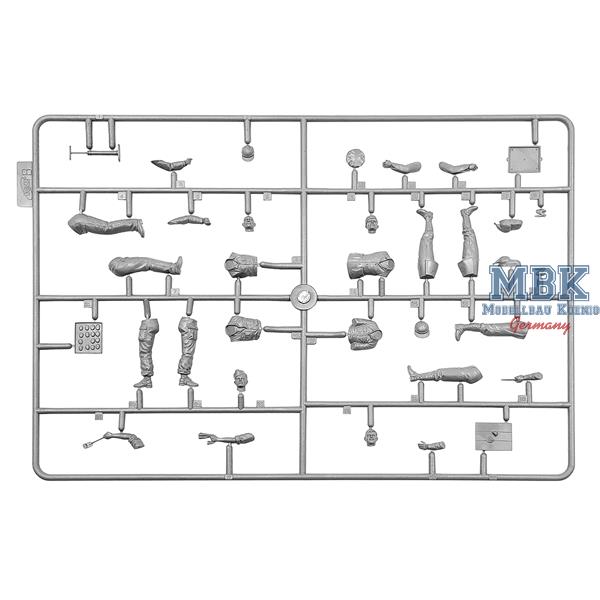
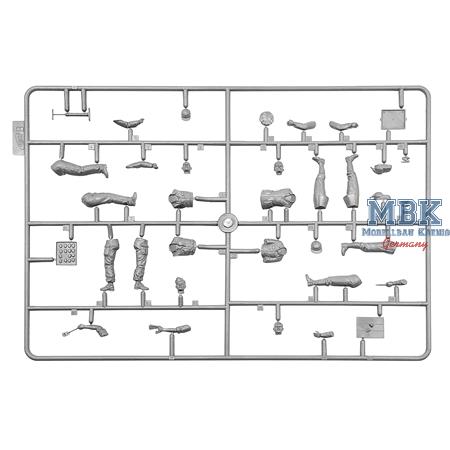
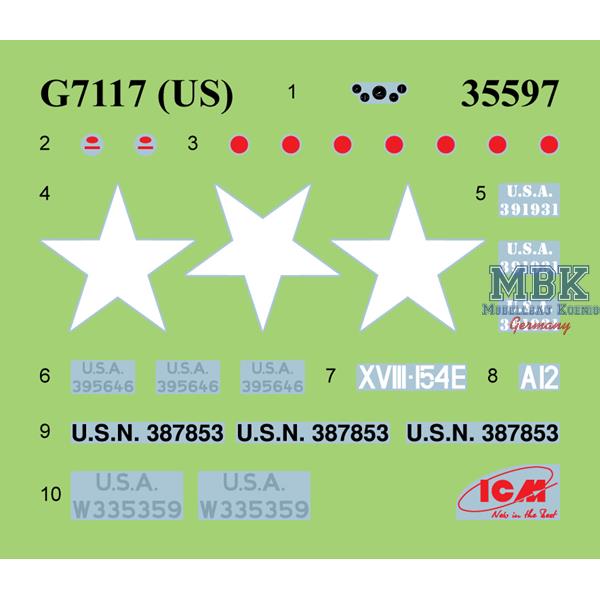
Plastic kit for building a US kitchen truck in World War II with U.S. Army cooks and infantrymen
- Scale 1:35
- 8 figures (4 cooks,1 driver, 3 infantrymen)
- Field kitchen equipment included
- Clear parts included
- Unbuilt/unpainted
- Paint and glue not included
ICM has several G7107/G7117 trucks in its range, which you can purchase here: (if in stock):
|
The G7107 was developed by Chevrolet as one of the models in the G506 series. It was a four-wheel-drive truck with an 83-horsepower engine and a payload capacity of 1,500 kg. These trucks served with the U.S. Army and were supplied in large numbers to allied countries. They were used in both combat units and supply operations. After the war, a large number of these trucks were stored in military depots. Many of them later continued their service in various businesses or private ownership. The simple and reliable Chevrolet trucks have long been a common sight on the roads of the United States, and some, repaired and overhauled, are still in use today. When used as field kitchens, they often featured raised platforms to allow cooks to stand while working.
The saying "No food, no fight!" is known to veterans of all armies, regardless of national origin, in their respective languages. Stationary field kitchens had the disadvantage that they couldn't immediately follow the movement of troops and weren't ready for use as quickly. This led to a demand for mobile kitchens that could travel with the troops and provide soldiers with freshly prepared meals during marches and in the field.
The U.S. Army solved this problem somewhat differently than, for example, the Germans. They used the M1937 field kitchen stove, which could be used both stationary and transported by a standard truck. One stove could cook for 50 soldiers, two for 100, three for 225, and four for as many as 300. A stove consisted of a metal frame with slots into which, depending on the use, a burner, a 10-gallon (38-liter) or a 15-gallon (57-liter) cooking pot could be inserted. A deep rectangular frying pan could be placed on top. For cooking, the burner was inserted at the bottom; for baking and frying, it was placed in the middle or at the top. Cooking utensils such as ladles, knives, and other cutlery were packed in this rack for transport (presumably placed inside the empty frying pan). The burner was powered by gasoline, which the army had in abundance. For mobile deployments, the field stove(s) and other necessary equipment were loaded onto trucks. The stoves could then be used without having to be unloaded. A very good explanation of the M1937 field stove, with many color photos, can be found on Facebook here. An interesting detail: this field stove was also manufactured under license and used by the German Federal Armed Forces (Bundeswehr) as the M-37 field stove from 1956 until approximately 1990.
Suitable Accessories



Customer Reviews 0
Write now your personal experience with this article and help others with their purchase decision.