Bandai
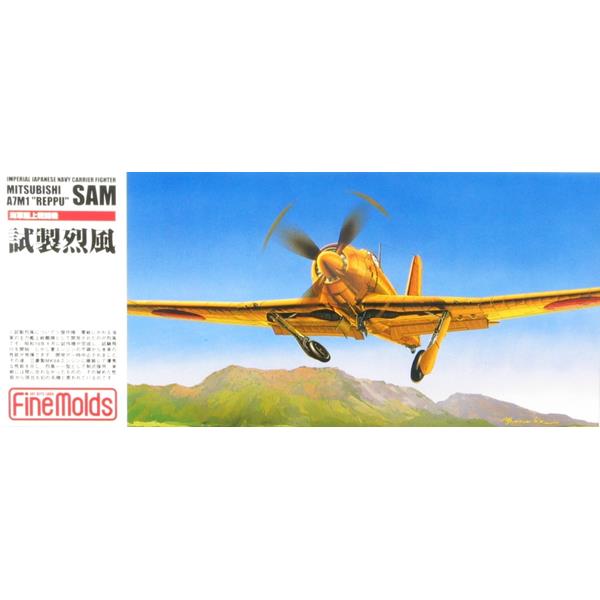
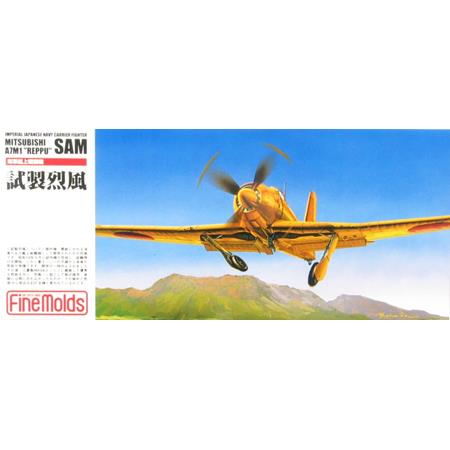
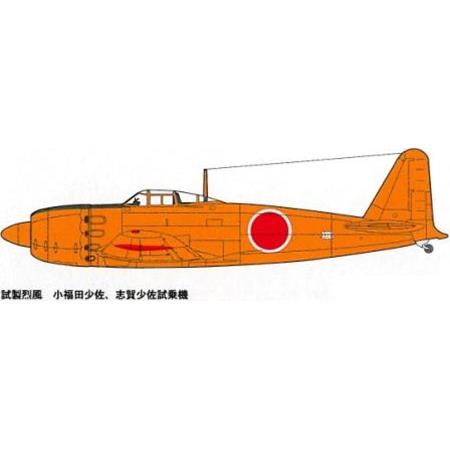


IJA Experimental Carrier Fighter A7M-1 "SAM"
Item Number:
FM-FP20
FM-FP20
Manufacturer
Fine Molds
Fine Molds
Scale:
1:72
1:72
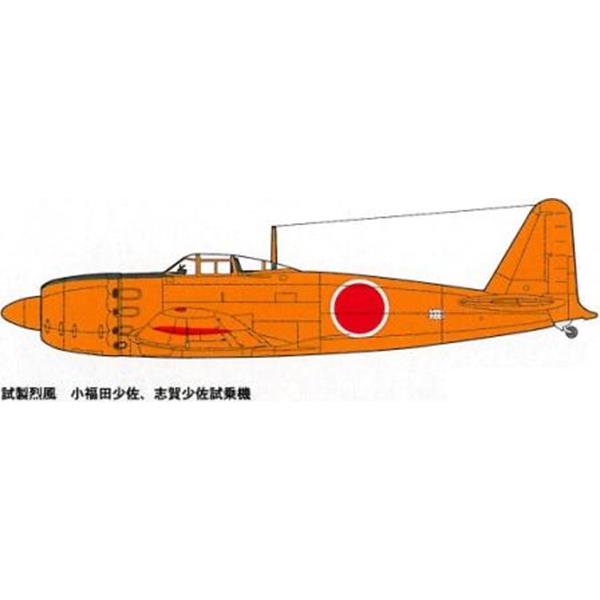
Plastic model kit of a Mitsubishi A7M1 "Reppū" (Sam) fighter aircraft
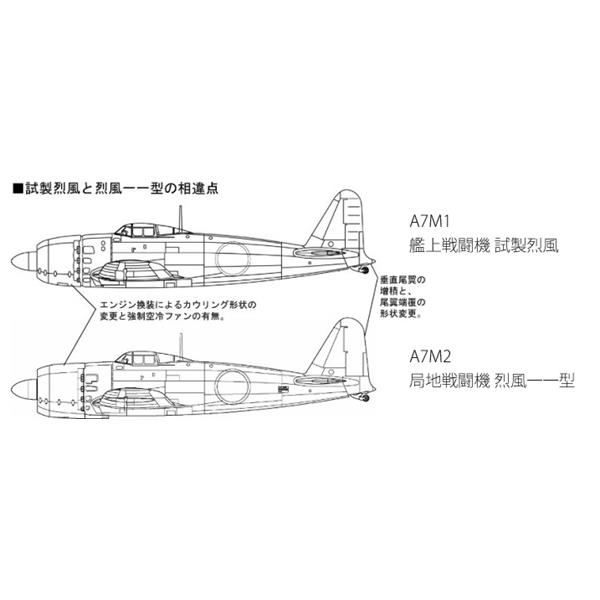
The first version, the A7M1, made its maiden flight in May 1944. It was powered by a Mitsubishi Ha43 radial engine generating around 2,200 hp, though its performance fell short of expectations. While the aircraft impressed with its excellent handling, maneuverability, and balanced flight characteristics, it failed to achieve the required top speed and rate of climb. Consequently, the design was revised and further developed into the A7M2, featuring a more powerful engine. This variant ultimately met the Navy's performance requirements and was considered one of the most capable Japanese fighter aircraft of World War II.
The A7M was significantly larger than the Zero and featured a robust all-metal airframe, an armored pilot's seat, and self-sealing fuel tanks - features that had often been sacrificed in earlier Japanese fighters in favor of maneuverability. Its planned armament consisted of four 20mm cannons, making the Reppū a formidable opponent, even against heavily armored Allied aircraft. Despite its promising characteristics, the Reppū never progressed beyond the prototype stage. Delays in development, engine issues, material shortages, and intensifying air raids on Japanese industry prevented mass production. Only a few prototypes were built before the end of the war brought the program to a close. Many aviation historians agree that, had it been available earlier, the A7M would have had the potential to rank among the best carrier-based fighter aircraft of its time.
For scale modelers, it is a particularly fascinating subject, primarily due to its elegant lines, powerful appearance, and its role as the "last hope" of the Japanese naval air arm.
- Scale: 1:72
- Dimensions (built): Length 152 mm / Wingspan 194 mm
- Approx. 40 parts
- 2 marking options
- Unassembled, unpainted
- Paint and glue not included
The first version, the A7M1, made its maiden flight in May 1944. It was powered by a Mitsubishi Ha43 radial engine generating around 2,200 hp, though its performance fell short of expectations. While the aircraft impressed with its excellent handling, maneuverability, and balanced flight characteristics, it failed to achieve the required top speed and rate of climb. Consequently, the design was revised and further developed into the A7M2, featuring a more powerful engine. This variant ultimately met the Navy's performance requirements and was considered one of the most capable Japanese fighter aircraft of World War II.
The A7M was significantly larger than the Zero and featured a robust all-metal airframe, an armored pilot's seat, and self-sealing fuel tanks - features that had often been sacrificed in earlier Japanese fighters in favor of maneuverability. Its planned armament consisted of four 20mm cannons, making the Reppū a formidable opponent, even against heavily armored Allied aircraft. Despite its promising characteristics, the Reppū never progressed beyond the prototype stage. Delays in development, engine issues, material shortages, and intensifying air raids on Japanese industry prevented mass production. Only a few prototypes were built before the end of the war brought the program to a close. Many aviation historians agree that, had it been available earlier, the A7M would have had the potential to rank among the best carrier-based fighter aircraft of its time.
For scale modelers, it is a particularly fascinating subject, primarily due to its elegant lines, powerful appearance, and its role as the "last hope" of the Japanese naval air arm.
Customer Reviews 0
Write now your personal experience with this article and help others with their purchase decision.