Bandai
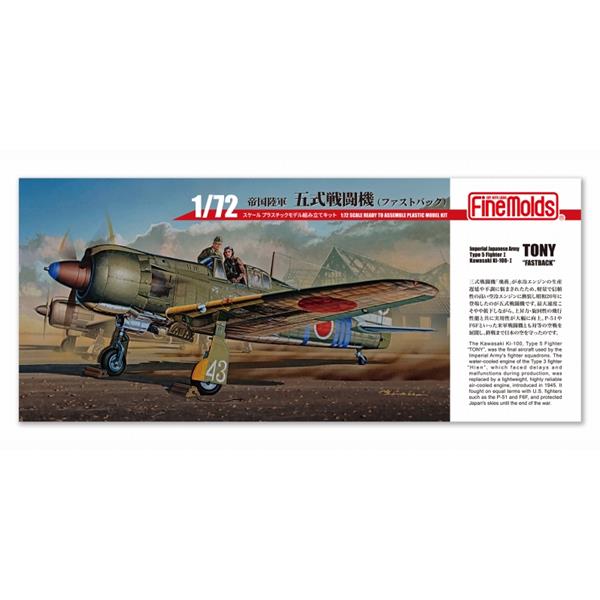
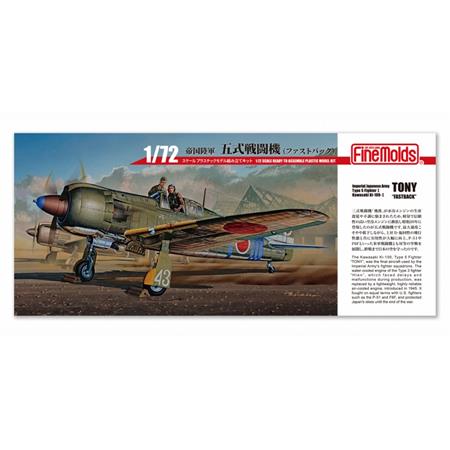
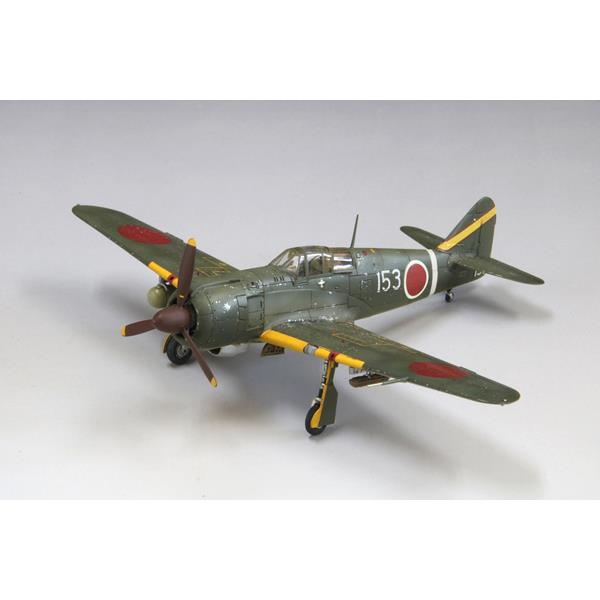
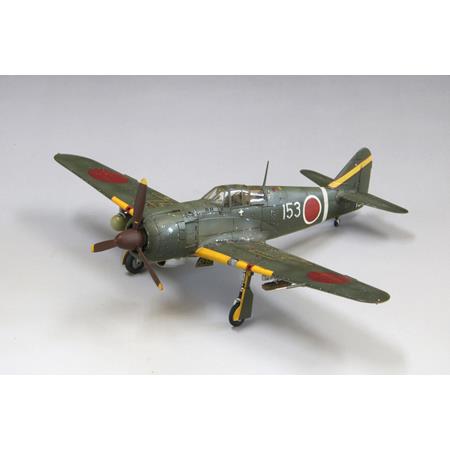
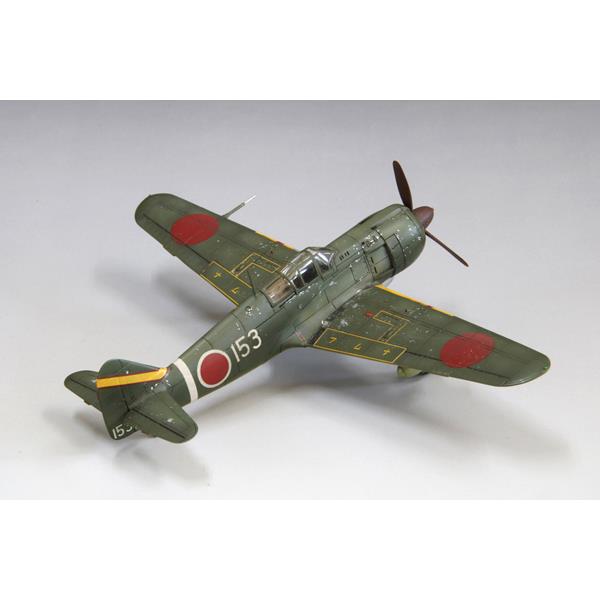
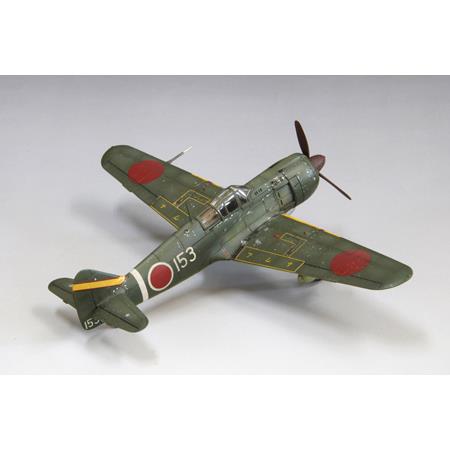
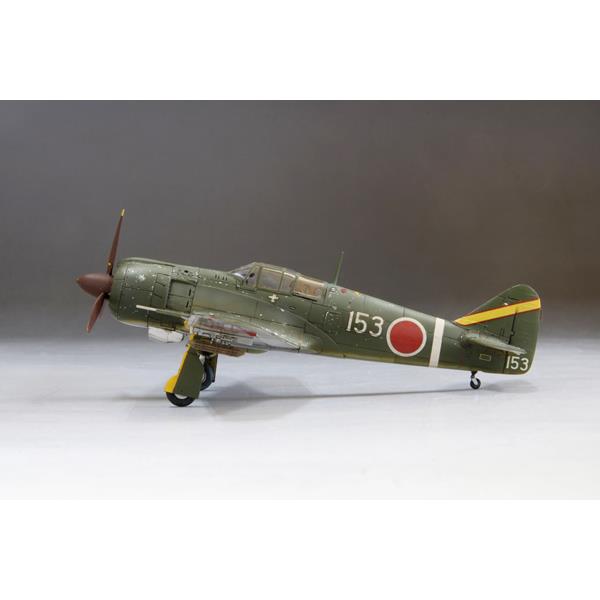
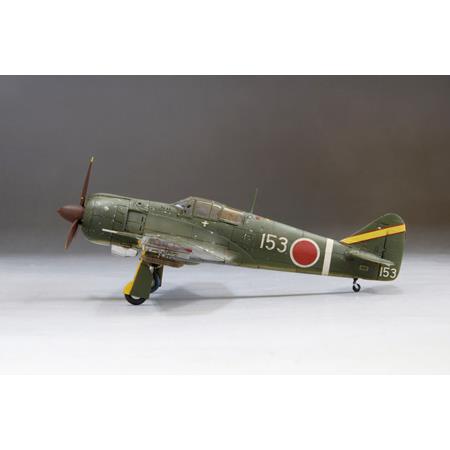
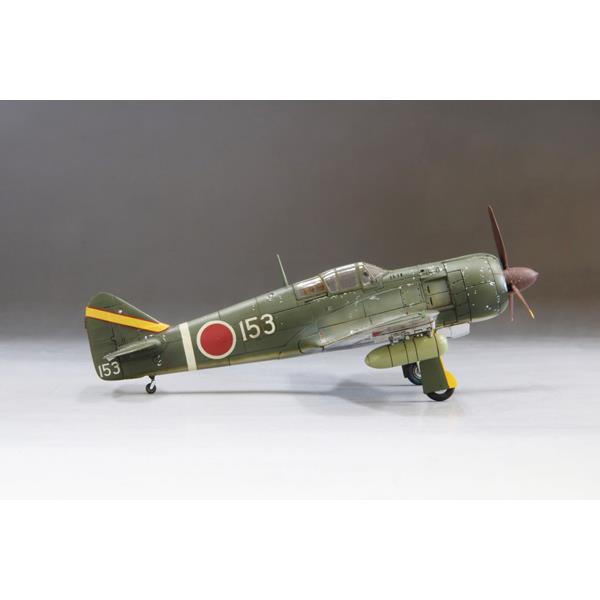
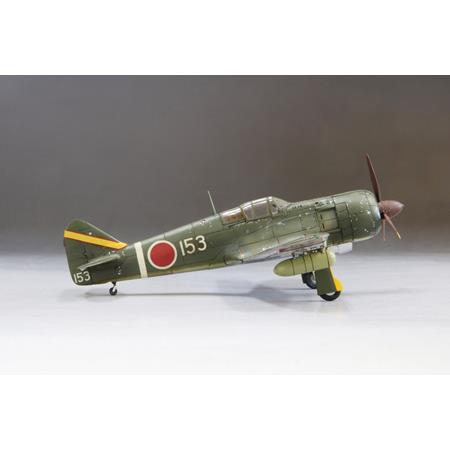


IJA Type 5 Fighter Kawasaki Ki-100-I TONY Fastback
Item Number:
FM-FQ02
FM-FQ02
Manufacturer
Fine Molds
Fine Molds
Scale:
1:72
1:72
Plastic model kit for a Type 5 Kawasaki Ki-100-I (TONY) Fastback fighter aircraft
The early variant, designated Ki-100-I Ko, featured the characteristic "fastback" fuselage with a continuously rising spine behind the cockpit, whereas the later version was the one that received an all-round vision canopy. Powered by a 1,500 hp, 14-cylinder twin-row radial engine, the Ki-100 achieved a top speed of approximately 580 km/h and impressed with its excellent maneuverability, good climb rate, and high reliability. Its armament consisted of two 20mm Ho-5 cannons in the fuselage and two 12.7mm Ho-103 machine guns in the wings; additionally, two bombs could be carried under the wings.
Deliveries of the Ki-100 to Imperial Japanese Army Air Force units began in March 1945, and the aircraft was primarily deployed to defend the Japanese home islands against American B-29 Superfortress bombers and their escort fighters. Although it was slower than modern adversaries like the North American P-51 Mustang, its outstanding flight characteristics allowed it to hold its own in dogfights.
A total of around 395 aircraft were built, including approximately 271 of the early "fastback" variant. Due to its late entry into service, the Ki-100 did not significantly alter the course of the war, yet it remains regarded today as one of the most well-balanced and reliable Japanese fighter aircraft of World War II.
- Scale: 1:72
- Dimensions (built): Length 124 mm / Wingspan 167 mm
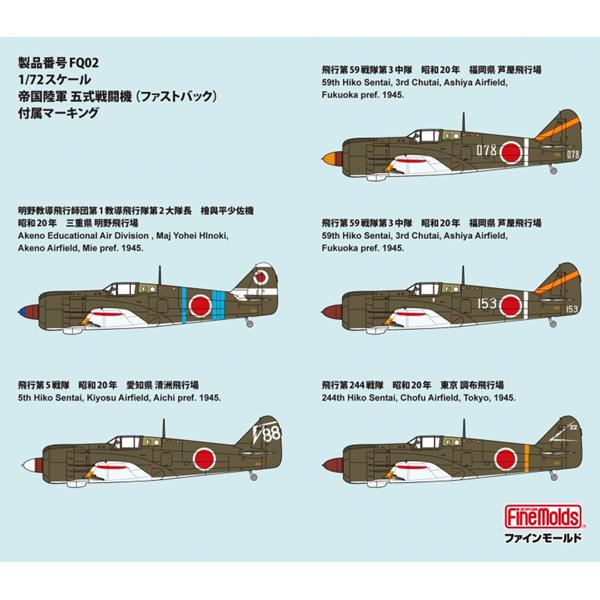
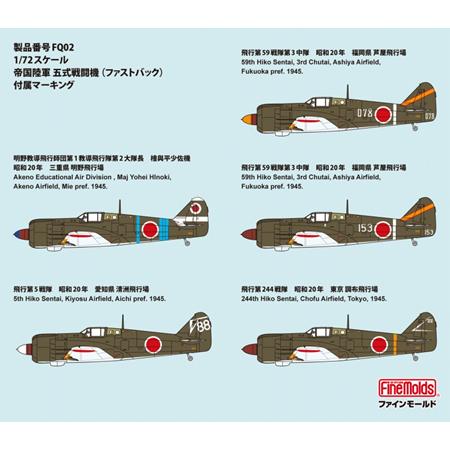
- 5 marking options
- Akeno Educational Air Division, Maj. Yohei Hinoki, Akeno Airfield, Mie Pref., 1945
- 88: 5th Hiko Sentai, Kiyosu Airfield, Aichi Pref., 1945
- 078: 59th Hiko Sentai, 3rd Chutai, Ashiya Airfield, Fukuoka Pref., 1945
- 153: 59th Hiko Sentai, 3rd Chutai, Ashiya Airfield, Fukuoka Pref., 1945
- 22: 244th Hiko Sentai, Chofu Airfield, Tokyo, 1945
- Unassembled, unpainted
- Paint and glue not included
The early variant, designated Ki-100-I Ko, featured the characteristic "fastback" fuselage with a continuously rising spine behind the cockpit, whereas the later version was the one that received an all-round vision canopy. Powered by a 1,500 hp, 14-cylinder twin-row radial engine, the Ki-100 achieved a top speed of approximately 580 km/h and impressed with its excellent maneuverability, good climb rate, and high reliability. Its armament consisted of two 20mm Ho-5 cannons in the fuselage and two 12.7mm Ho-103 machine guns in the wings; additionally, two bombs could be carried under the wings.
Deliveries of the Ki-100 to Imperial Japanese Army Air Force units began in March 1945, and the aircraft was primarily deployed to defend the Japanese home islands against American B-29 Superfortress bombers and their escort fighters. Although it was slower than modern adversaries like the North American P-51 Mustang, its outstanding flight characteristics allowed it to hold its own in dogfights.
A total of around 395 aircraft were built, including approximately 271 of the early "fastback" variant. Due to its late entry into service, the Ki-100 did not significantly alter the course of the war, yet it remains regarded today as one of the most well-balanced and reliable Japanese fighter aircraft of World War II.
Customer Reviews 0
Write now your personal experience with this article and help others with their purchase decision.