Bandai
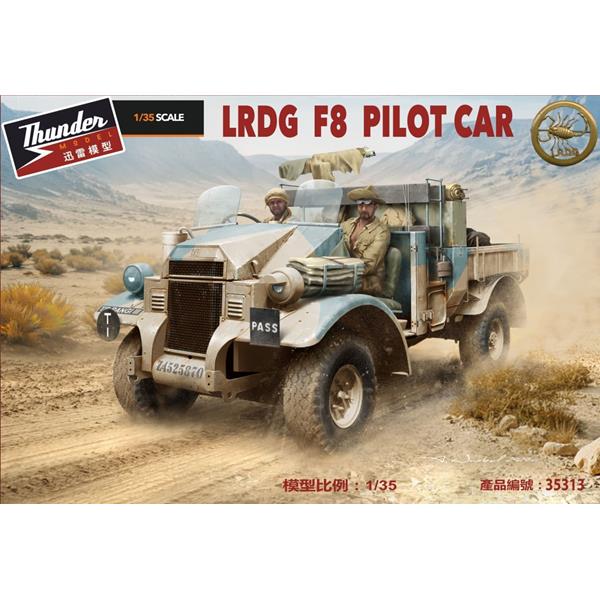
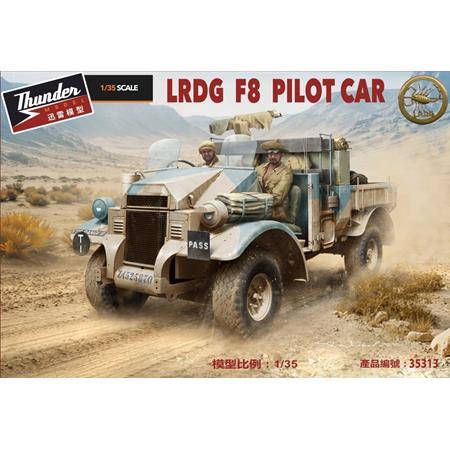
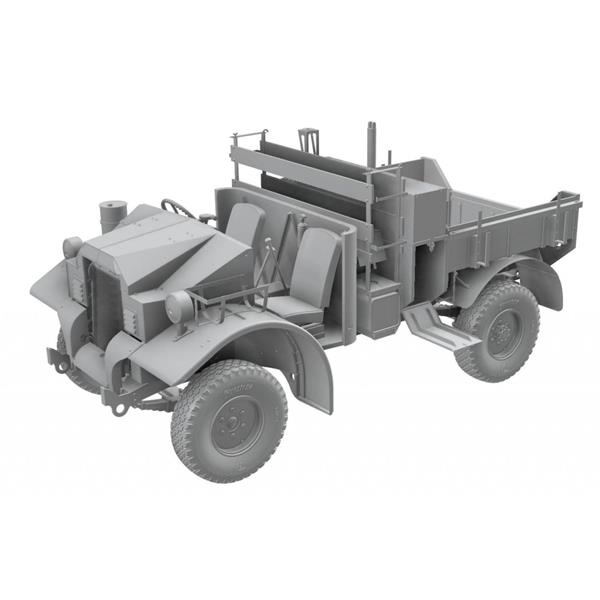
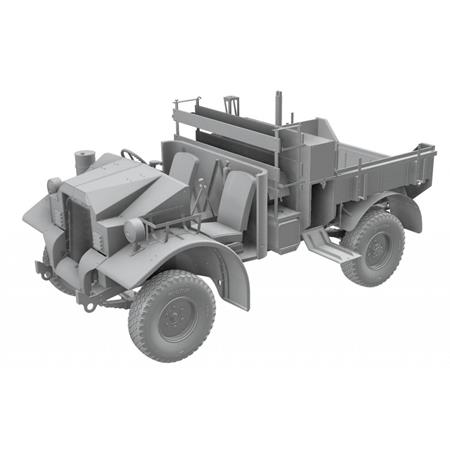
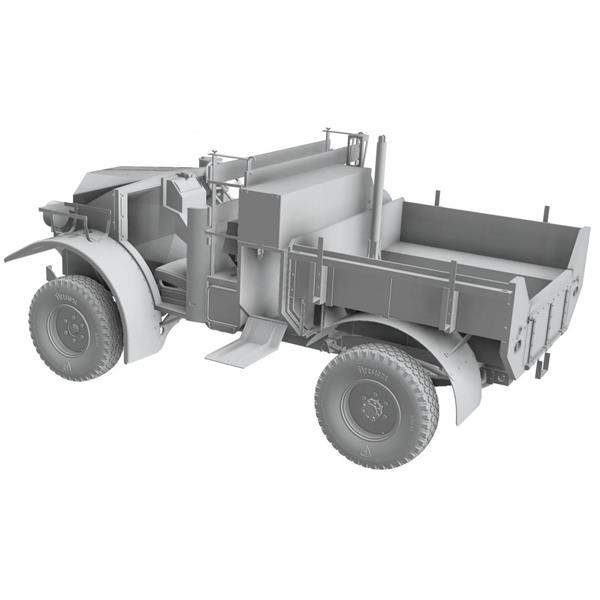
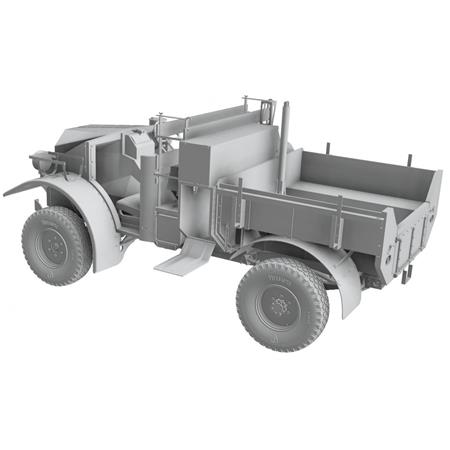
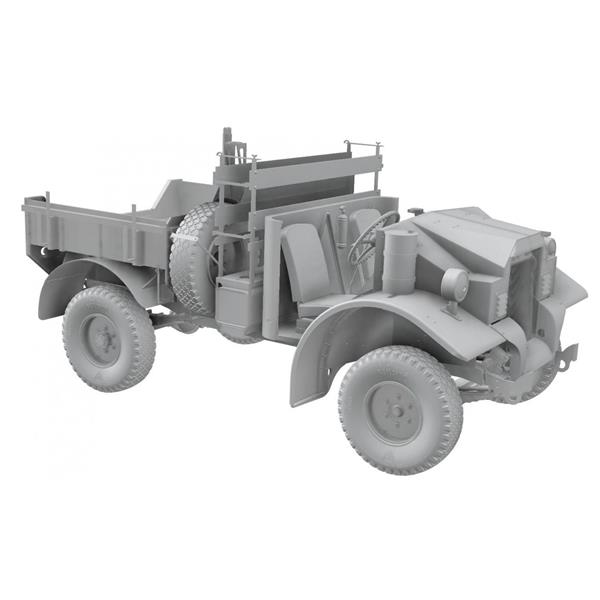
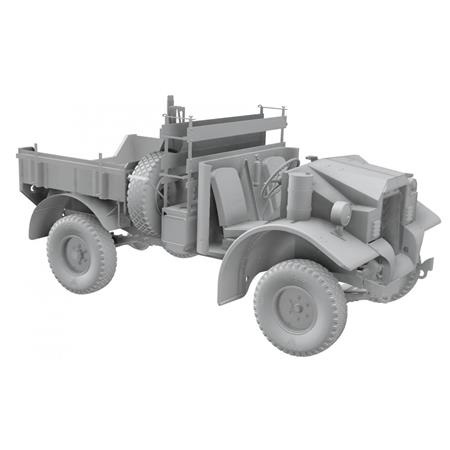
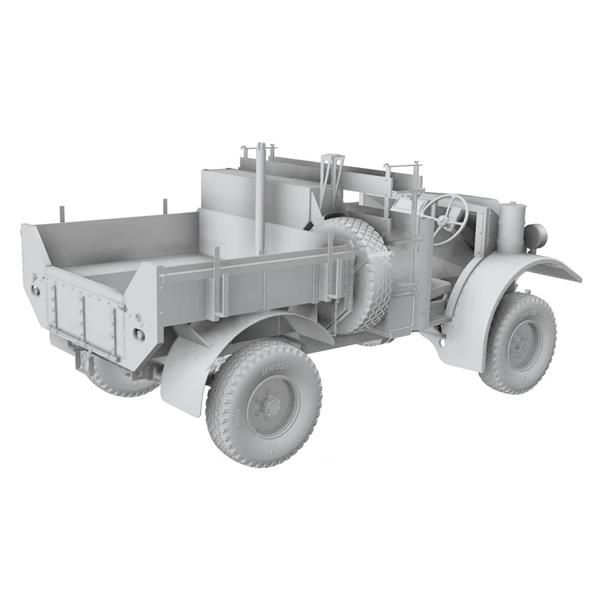
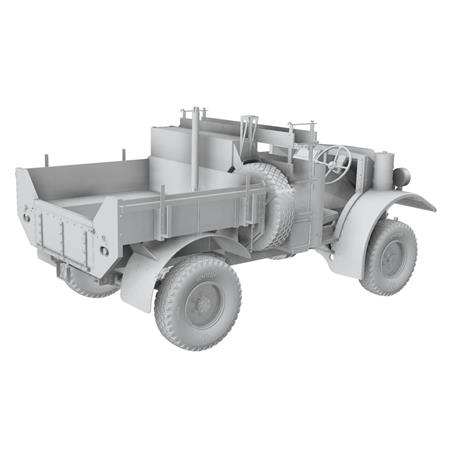
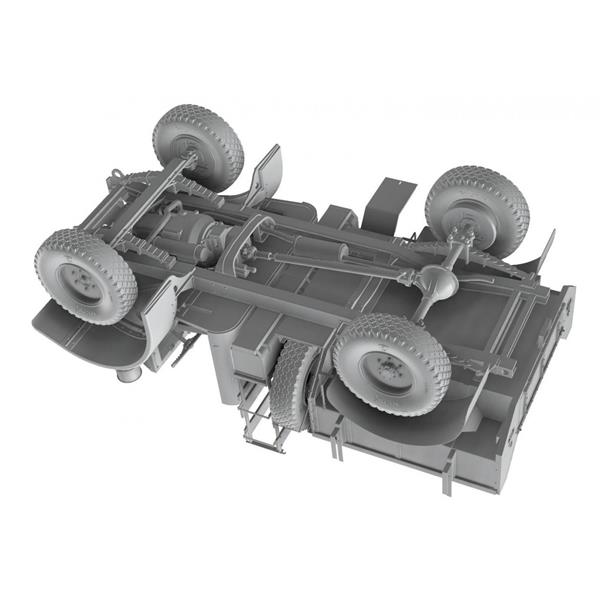
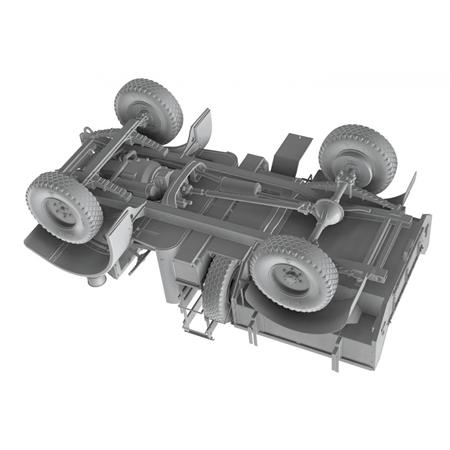
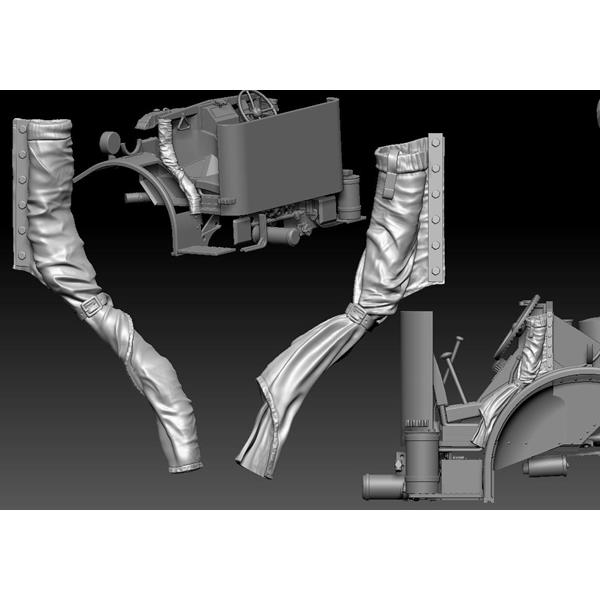


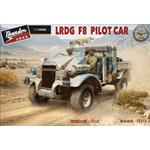
LRDG Ford F8 Pilot Car
Item Number:
THM35313
THM35313
Manufacturer
THUNDER MODELS
THUNDER MODELS
Scale:
1:35
1:35
Plastic kit for a British Ford F8 pilot car of the LRDG (Long Range Desert Group)
STANDARD Edition
“Only men who do not mind a hard life of scant food, little water and much discomfort, men who possess stamina and initiative, should apply.”
The Long Range Desert Group was the first and “probably the most tempestuous and successful irregular formation on either side in the entire war.”
Their role was reconnaissance by deep thrusts, road watch (observing Axis movements along coastal roads to determine logistics and movements of military units to and from the front line hundreds of miles away) and raids (attacking airfields long before the British Special Air Service thought of it).
They also transported Allied agents and the SAS behind enemy lines in their first raids, recovered downed aircrew and lost soldiers and were the first to accurately map the North African desert. They were often referred to as the 'Libyan Taxi Service' by those who benefited from their skills and were highly valued for their ability to get to any point in the desert at any given time.
The LRDG were the masters of the Libyan desert during the War in North Africa.
They were experts in desert navigation, driving, signalling and survival.
Their operational requirements were unique in the British Army and initially they chose the civilian Chevrolet WA trucks, rugged and simple and with the right driving techniques and equipment capable of negotiating the majority of desert terrain.
After a year of service these trucks were in dire need of replacement but there were no Chevrolets left.
The Ford F8 was one of the rarest vehicles used by the Long Range Desert Group (LRDG) during the North African campaign. Unlike the widely used Chevrolet 30-cwt trucks and the Ford F30 - which also saw service - the small 8-cwt Ford was employed in very limited numbers. It served primarily as a "pilot car," driving ahead of the patrol to handle reconnaissance, navigation, and liaison duties. Thanks to its short wheelbase and compact dimensions, the Ford F8 was highly maneuverable and well-suited for scouting missions across open desert terrain.
Like all LRDG vehicles, the Ford F8 underwent extensive modifications for service in the Sahara. Unnecessary bodywork, such as doors and the windshield, was removed to save weight. The vehicle was also fitted with mounts for large quantities of fuel and water, sand channels, recovery gear, and a Bagnold sun compass for navigation. Depending on the specific mission, the Ford F8 was armed with one or two machine guns.
Information regarding the LRDG Ford F8 is limited. It is confirmed that at least one vehicle was used by "T Patrol" under the command of Captain Ballantyne. However, due to the Ford V8 engine's lower reliability in extreme desert conditions, the F8 could not compete with the more robust Chevrolet trucks. Precisely because of its rarity, the LRDG Ford F8 is considered one of the most extraordinary and interesting vehicles in the Long Range Desert Group's history.
STANDARD Edition
- 1:35 scale
- 295 parts
- Clear parts
- Resin wheels
- 3D-printed parts
- Photo-etched parts for detailing
- 5 marking options, including instrument dials and instructional placards
- Highly detailed, accurate replica
- Developed in collaboration with the LRDG Preservation Society
- Not built, not painted
- Paint and glue not included
“Only men who do not mind a hard life of scant food, little water and much discomfort, men who possess stamina and initiative, should apply.”
The Long Range Desert Group was the first and “probably the most tempestuous and successful irregular formation on either side in the entire war.”
Their role was reconnaissance by deep thrusts, road watch (observing Axis movements along coastal roads to determine logistics and movements of military units to and from the front line hundreds of miles away) and raids (attacking airfields long before the British Special Air Service thought of it).
They also transported Allied agents and the SAS behind enemy lines in their first raids, recovered downed aircrew and lost soldiers and were the first to accurately map the North African desert. They were often referred to as the 'Libyan Taxi Service' by those who benefited from their skills and were highly valued for their ability to get to any point in the desert at any given time.
The LRDG were the masters of the Libyan desert during the War in North Africa.
They were experts in desert navigation, driving, signalling and survival.
Their operational requirements were unique in the British Army and initially they chose the civilian Chevrolet WA trucks, rugged and simple and with the right driving techniques and equipment capable of negotiating the majority of desert terrain.
After a year of service these trucks were in dire need of replacement but there were no Chevrolets left.
The Ford F8 was one of the rarest vehicles used by the Long Range Desert Group (LRDG) during the North African campaign. Unlike the widely used Chevrolet 30-cwt trucks and the Ford F30 - which also saw service - the small 8-cwt Ford was employed in very limited numbers. It served primarily as a "pilot car," driving ahead of the patrol to handle reconnaissance, navigation, and liaison duties. Thanks to its short wheelbase and compact dimensions, the Ford F8 was highly maneuverable and well-suited for scouting missions across open desert terrain.
Like all LRDG vehicles, the Ford F8 underwent extensive modifications for service in the Sahara. Unnecessary bodywork, such as doors and the windshield, was removed to save weight. The vehicle was also fitted with mounts for large quantities of fuel and water, sand channels, recovery gear, and a Bagnold sun compass for navigation. Depending on the specific mission, the Ford F8 was armed with one or two machine guns.
Information regarding the LRDG Ford F8 is limited. It is confirmed that at least one vehicle was used by "T Patrol" under the command of Captain Ballantyne. However, due to the Ford V8 engine's lower reliability in extreme desert conditions, the F8 could not compete with the more robust Chevrolet trucks. Precisely because of its rarity, the LRDG Ford F8 is considered one of the most extraordinary and interesting vehicles in the Long Range Desert Group's history.
Suitable Accessories


14.95 €*

15.95 €*

22.50 €*
Customer Reviews 0
Write now your personal experience with this article and help others with their purchase decision.