Bandai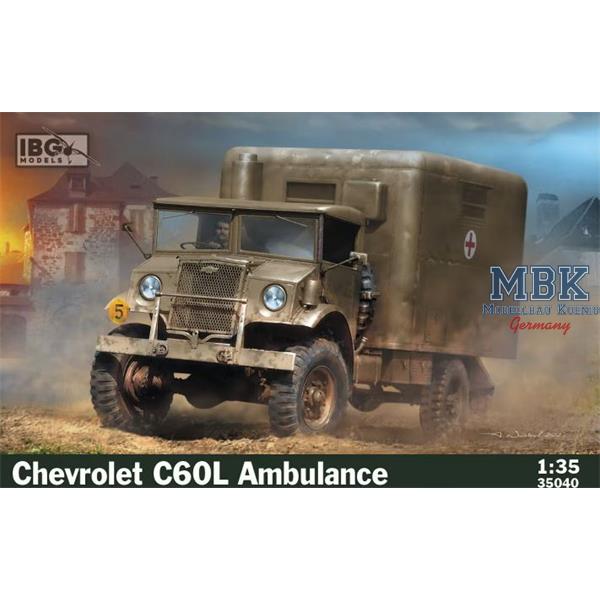
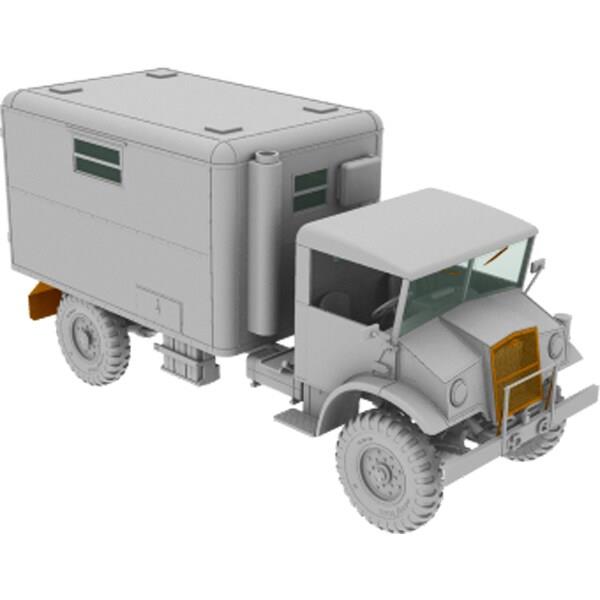
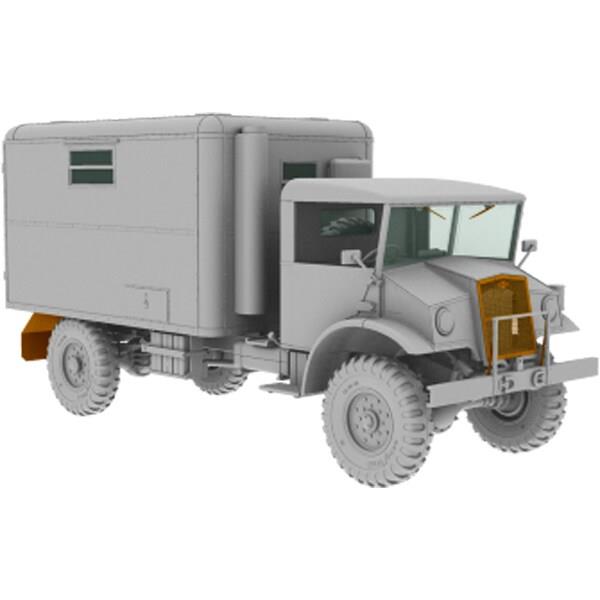
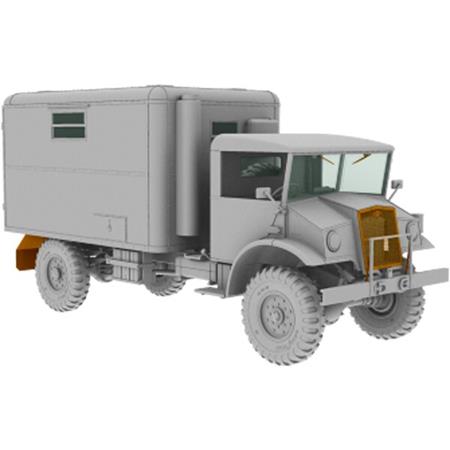
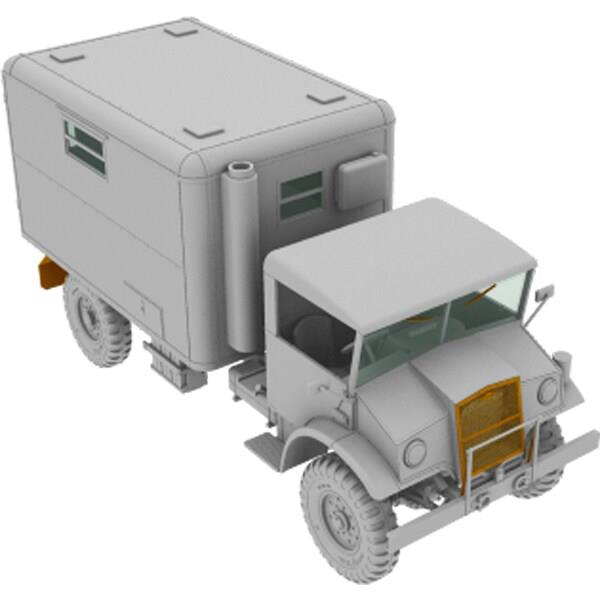
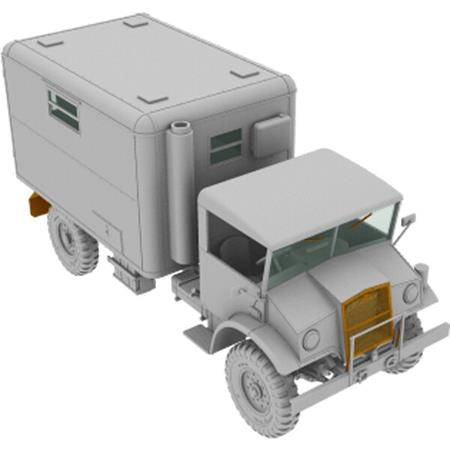
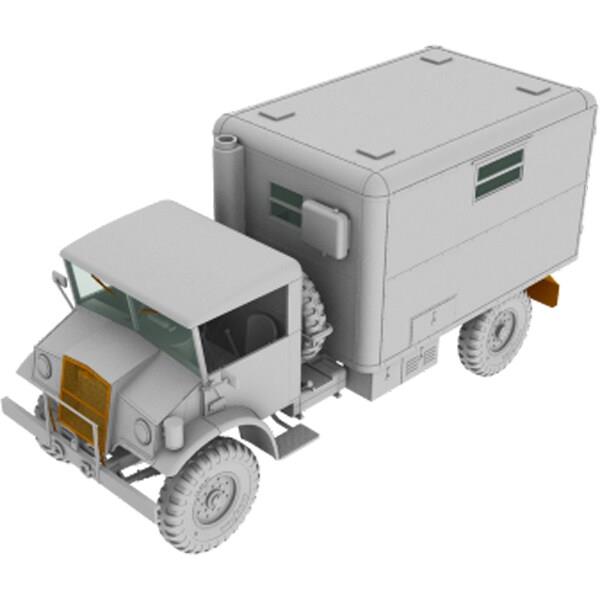
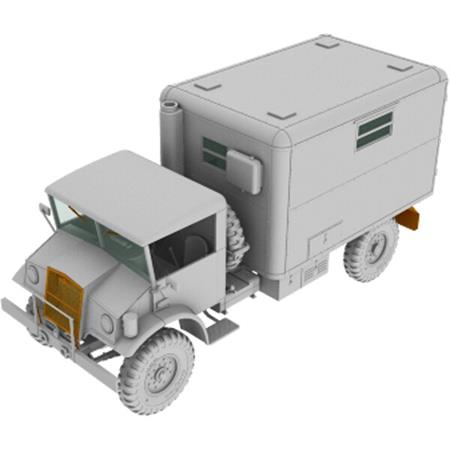
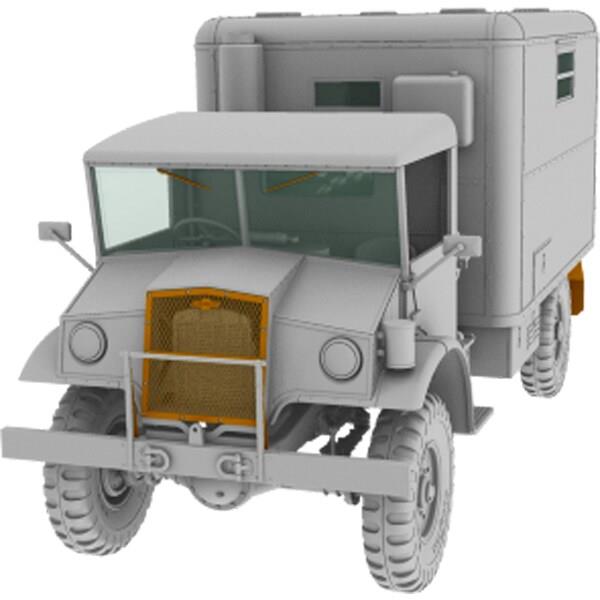
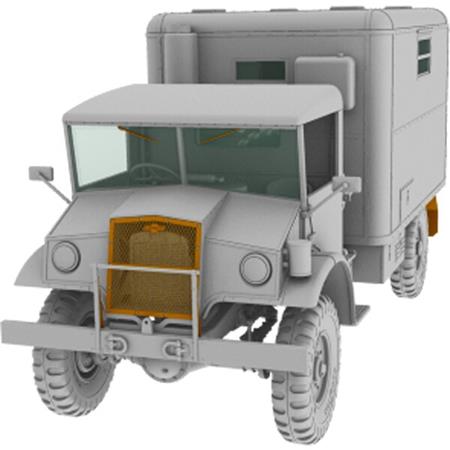
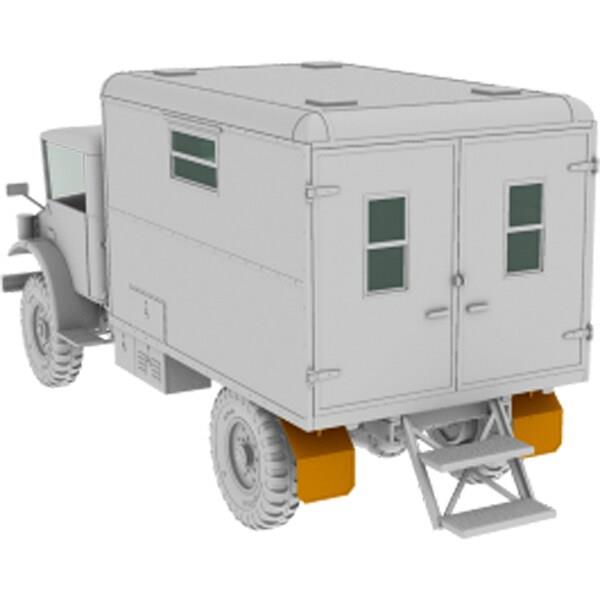
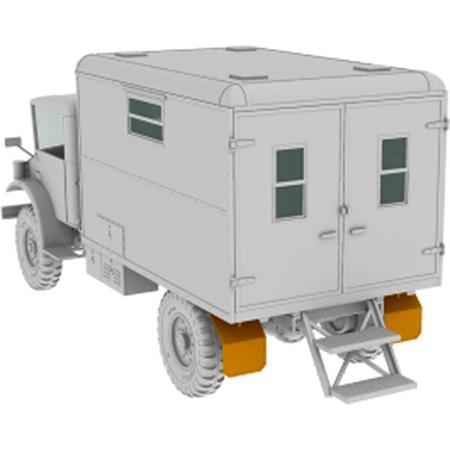
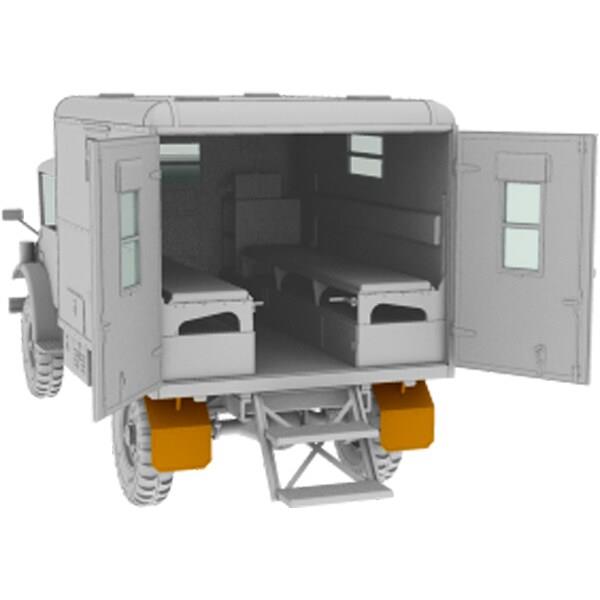
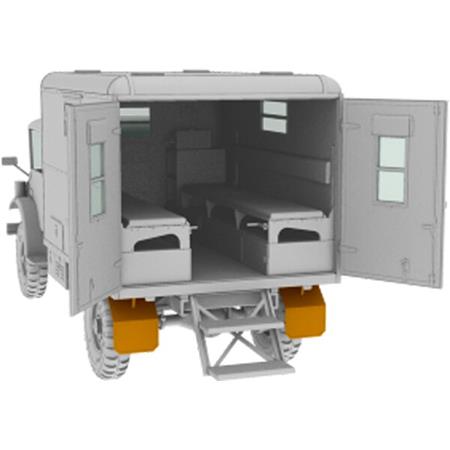
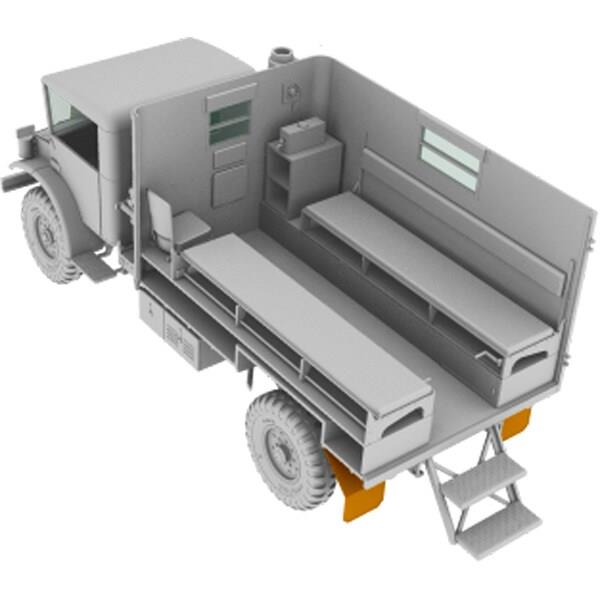
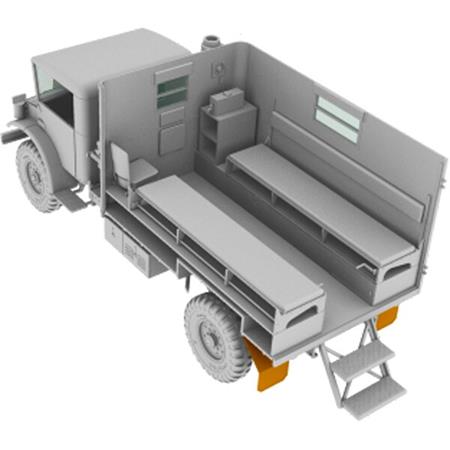
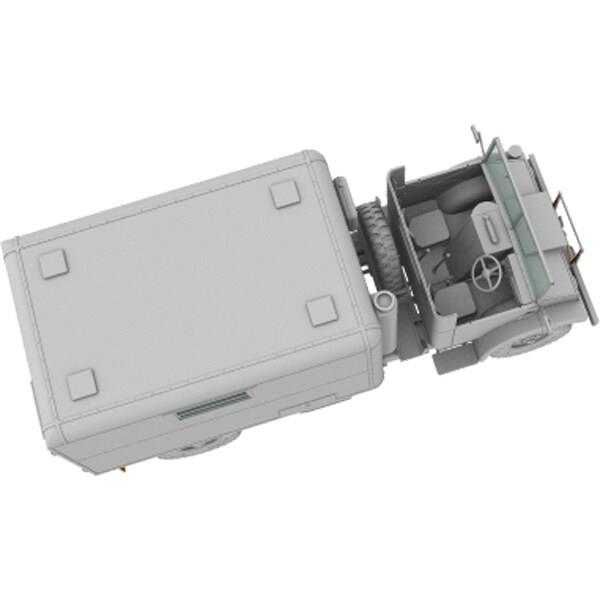
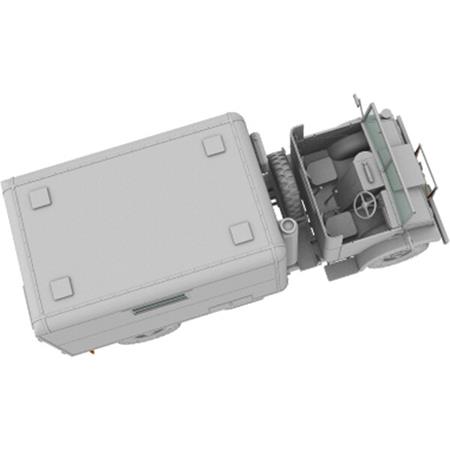
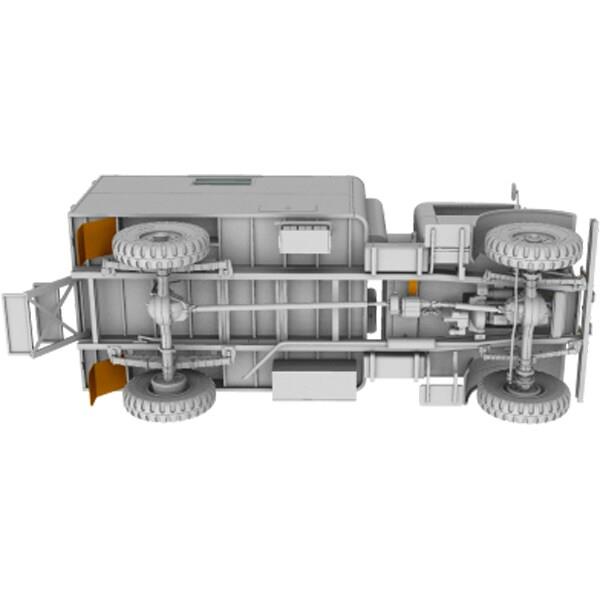
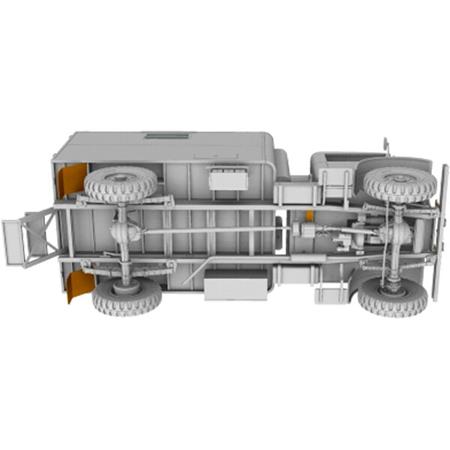


Chevrolet C60L Ambulance
Item Number:
IBG35040
IBG35040
Manufacturer
IBG-Modellbau
IBG-Modellbau
Scale:
1:35
1:35

Plastic model kit to build a Chevrolet C60L Ambulance
The Chevrolet C60L ambulance was one of the key medical vehicle variants within the Canadian Military Pattern (CMP) truck family, manufactured by General Motors of Canada for British Commonwealth armed forces during World War II. It was based on the chassis of the Chevrolet C60L, an off-road capable, 3-ton truck featuring a long wheelbase (158 inches or 4.01 m) and permanent four-wheel drive (4×4). The ambulance version combined the standard truck's rugged off-road capability with a specially designed medical body, enabling the transport of wounded personnel even under challenging operational conditions. Like all CMP vehicles, the C60L was developed as part of a British-Canadian standardization program aimed at ensuring high component interchangeability and simplified maintenance. The C60L was among the most versatile CMP vehicles, serving in roles such as ambulance, radio truck, mobile workshop, command post, tanker, and mobile kitchen.
The ambulance was powered by a Chevrolet inline-six OHV gasoline engine with a displacement of 3.5 liters (216 cu in) and an output of approximately 85 hp (63 kW). Power was transmitted to both axles via a four-speed manual transmission and a two-speed transfer case. Rigid axles with semi-elliptical leaf springs, large 10.50×20-inch tires, and high ground clearance gave the vehicle excellent off-road capabilities. Its top speed ranged from approximately 65 to 70 km/h, depending on load and road conditions, while the payload capacity - despite the medical body - provided sufficient margin for medical equipment and personnel. The enclosed ambulance body featured an insulated steel - or composite steel-and-wood - structure and was specifically designed for transporting the wounded. Depending on the specific configuration, the interior could accommodate up to ten seated wounded personnel, four patients on stretchers, or a combination of four stretchers and several seats. The stretchers were secured to folding mounts arranged in two tiers, allowing for flexible use of the interior space. The vehicle was further equipped with cabinets for medical supplies, mounts for medical equipment, interior lighting, heating, and seating for medical personnel. Large side and rear doors facilitated the rapid loading and unloading of patients, while roof vents and windows ensured adequate ventilation.
The Chevrolet C60L ambulance saw service across nearly all Commonwealth theaters of war - from the deserts of North Africa, through Italy and Northwest Europe, to Burma and the Pacific. Its combination of high reliability, ease of maintenance, and excellent off-road capability made it invaluable for transporting the wounded immediately behind the front lines, where civilian ambulances would have been unsuitable. Thanks to standardized CMP (Canadian Military Pattern) engineering, repairs could be carried out quickly even under field conditions, significantly enhancing operational readiness. Thousands of wounded soldiers were transported in these vehicles from combat zones to main dressing stations or field hospitals.
After the war, numerous Chevrolet C60L ambulances remained in service with Commonwealth armed forces or were transferred to allied nations. Many vehicles continued to serve in armies across Europe, Australia, and other Commonwealth countries well into the late 1950s and early 1960s. Others were converted into civilian emergency vehicles, mobile workshops, or cargo trucks. Due to their distinctive CMP cab and historical significance, surviving ambulance versions are among the most sought-after variants of the Chevrolet C60L family today and are regularly seen in military museums and at historic military vehicle events.
- 1:35 scale
- Clear and photo-etched parts included
- Box body with interior fittings
- detailed motor
- 1 marking option
- not built/not painted
- Paint and glue not included
| You can get more kits from IBG Modellbau's Chevrolet C60 series here*1: *1 if in stock |
The Chevrolet C60L ambulance was one of the key medical vehicle variants within the Canadian Military Pattern (CMP) truck family, manufactured by General Motors of Canada for British Commonwealth armed forces during World War II. It was based on the chassis of the Chevrolet C60L, an off-road capable, 3-ton truck featuring a long wheelbase (158 inches or 4.01 m) and permanent four-wheel drive (4×4). The ambulance version combined the standard truck's rugged off-road capability with a specially designed medical body, enabling the transport of wounded personnel even under challenging operational conditions. Like all CMP vehicles, the C60L was developed as part of a British-Canadian standardization program aimed at ensuring high component interchangeability and simplified maintenance. The C60L was among the most versatile CMP vehicles, serving in roles such as ambulance, radio truck, mobile workshop, command post, tanker, and mobile kitchen.
The ambulance was powered by a Chevrolet inline-six OHV gasoline engine with a displacement of 3.5 liters (216 cu in) and an output of approximately 85 hp (63 kW). Power was transmitted to both axles via a four-speed manual transmission and a two-speed transfer case. Rigid axles with semi-elliptical leaf springs, large 10.50×20-inch tires, and high ground clearance gave the vehicle excellent off-road capabilities. Its top speed ranged from approximately 65 to 70 km/h, depending on load and road conditions, while the payload capacity - despite the medical body - provided sufficient margin for medical equipment and personnel. The enclosed ambulance body featured an insulated steel - or composite steel-and-wood - structure and was specifically designed for transporting the wounded. Depending on the specific configuration, the interior could accommodate up to ten seated wounded personnel, four patients on stretchers, or a combination of four stretchers and several seats. The stretchers were secured to folding mounts arranged in two tiers, allowing for flexible use of the interior space. The vehicle was further equipped with cabinets for medical supplies, mounts for medical equipment, interior lighting, heating, and seating for medical personnel. Large side and rear doors facilitated the rapid loading and unloading of patients, while roof vents and windows ensured adequate ventilation.
The Chevrolet C60L ambulance saw service across nearly all Commonwealth theaters of war - from the deserts of North Africa, through Italy and Northwest Europe, to Burma and the Pacific. Its combination of high reliability, ease of maintenance, and excellent off-road capability made it invaluable for transporting the wounded immediately behind the front lines, where civilian ambulances would have been unsuitable. Thanks to standardized CMP (Canadian Military Pattern) engineering, repairs could be carried out quickly even under field conditions, significantly enhancing operational readiness. Thousands of wounded soldiers were transported in these vehicles from combat zones to main dressing stations or field hospitals.
After the war, numerous Chevrolet C60L ambulances remained in service with Commonwealth armed forces or were transferred to allied nations. Many vehicles continued to serve in armies across Europe, Australia, and other Commonwealth countries well into the late 1950s and early 1960s. Others were converted into civilian emergency vehicles, mobile workshops, or cargo trucks. Due to their distinctive CMP cab and historical significance, surviving ambulance versions are among the most sought-after variants of the Chevrolet C60L family today and are regularly seen in military museums and at historic military vehicle events.

Customer Reviews 0
Write now your personal experience with this article and help others with their purchase decision.