 Bandai
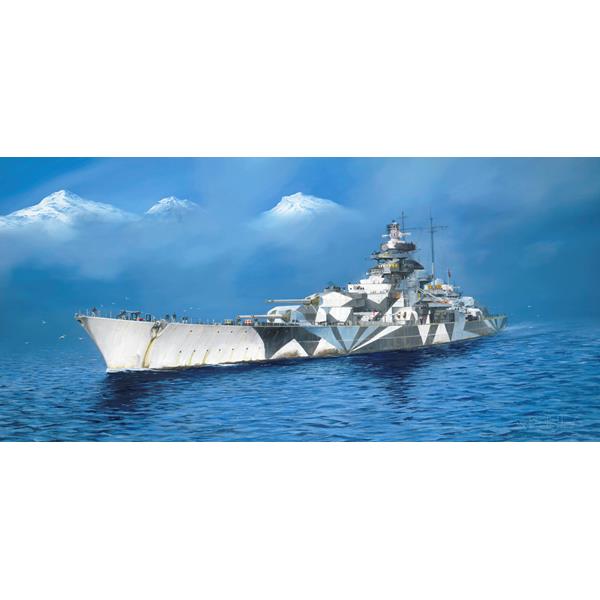
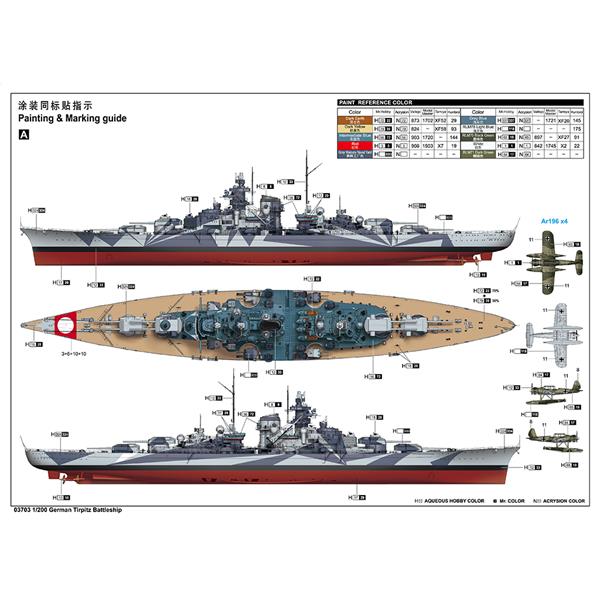
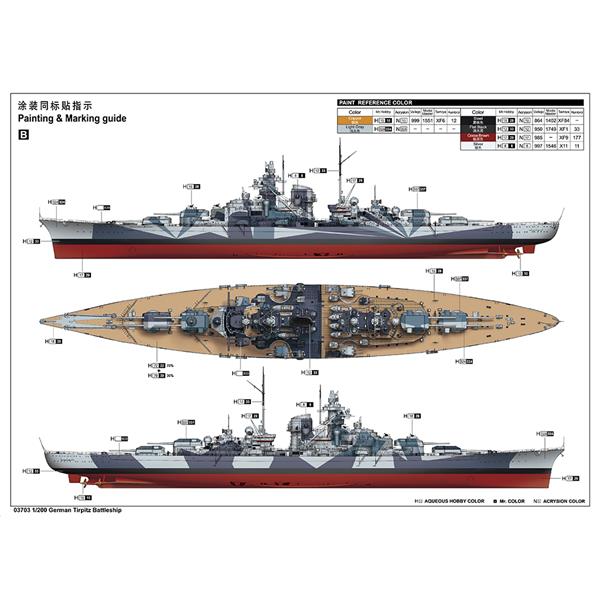
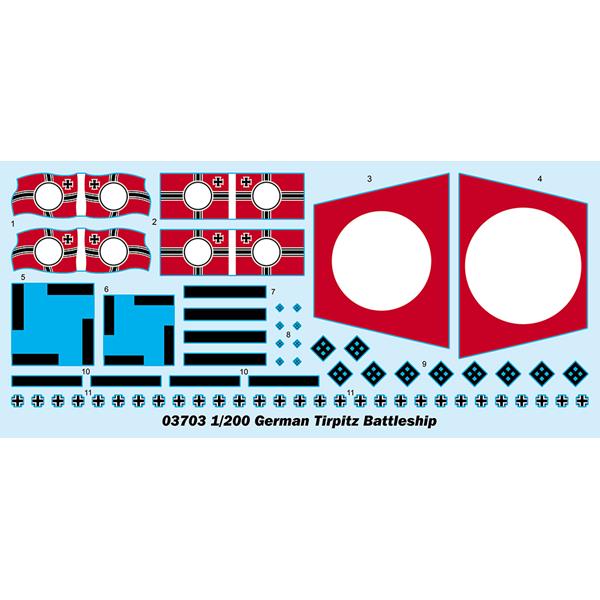
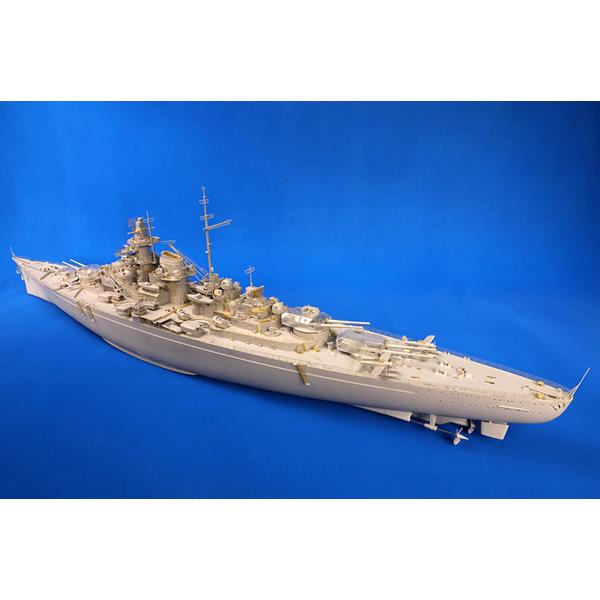
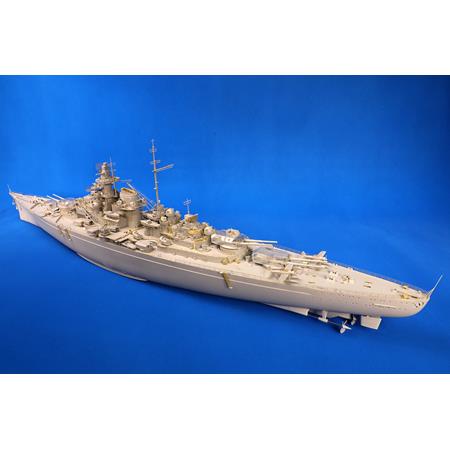
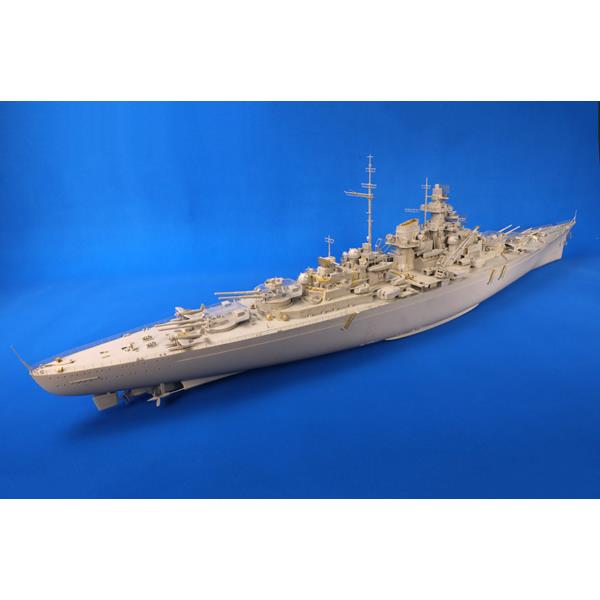
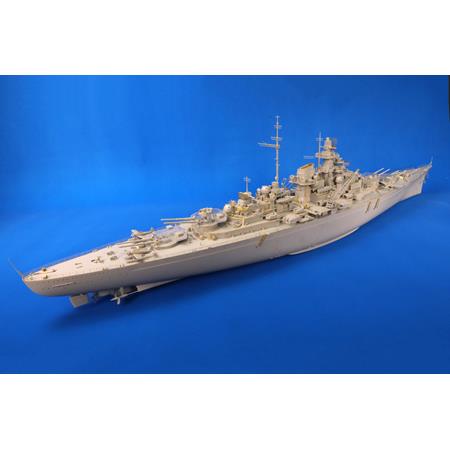
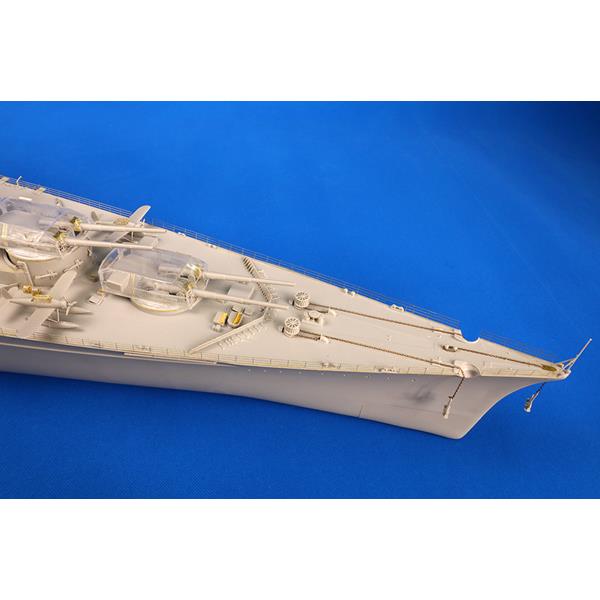
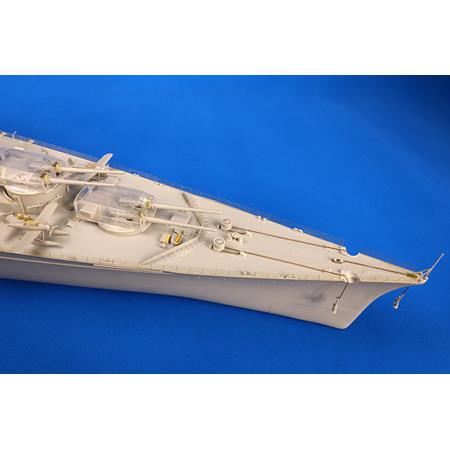
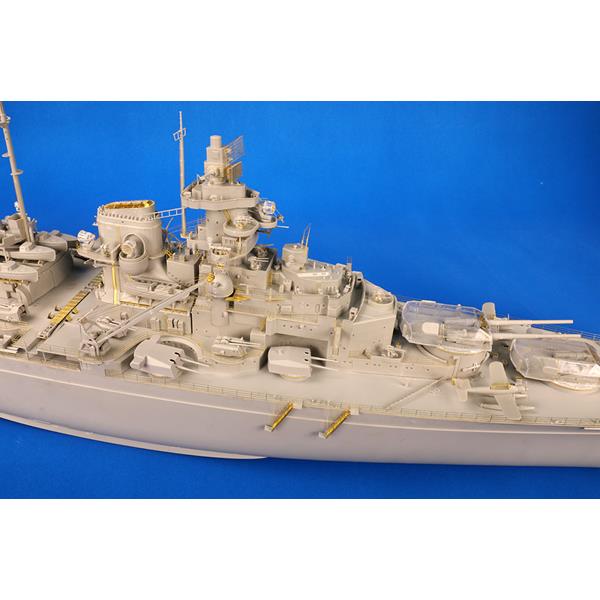
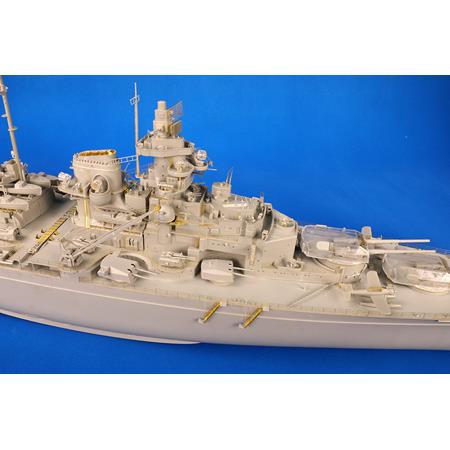
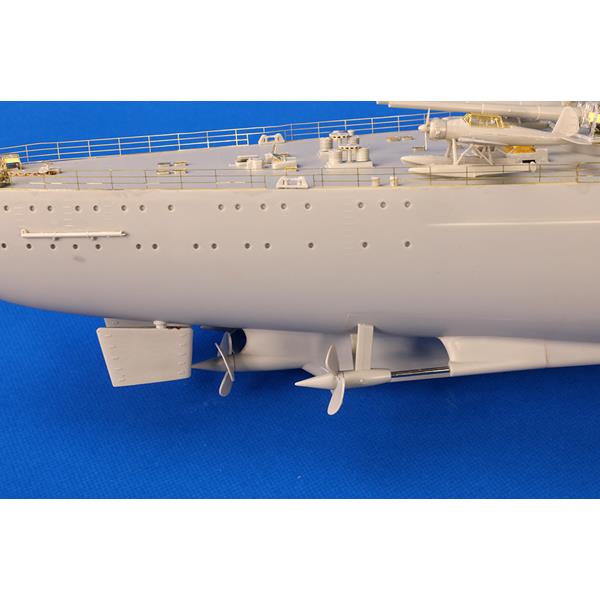
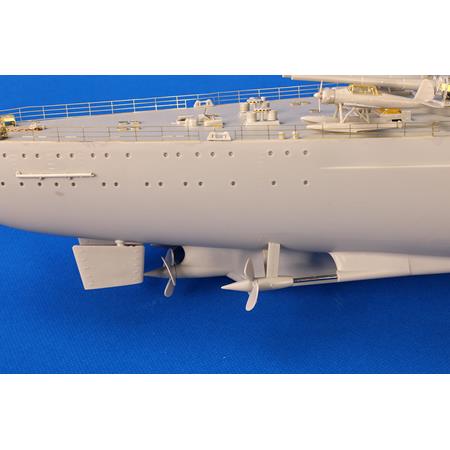
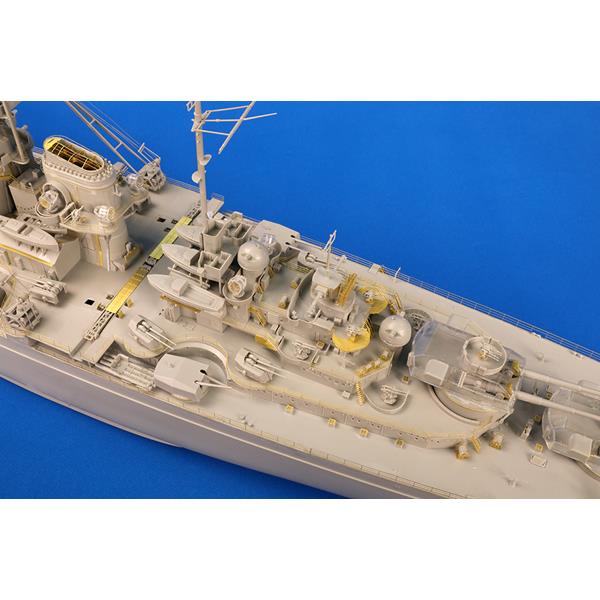
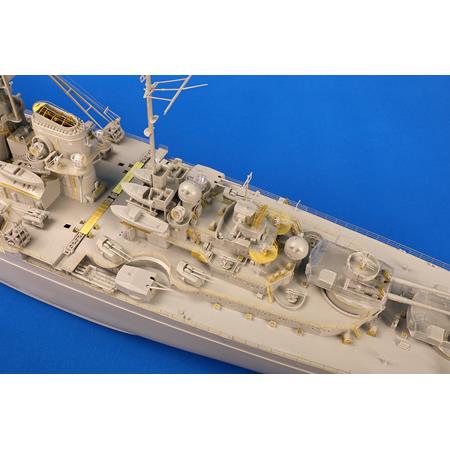
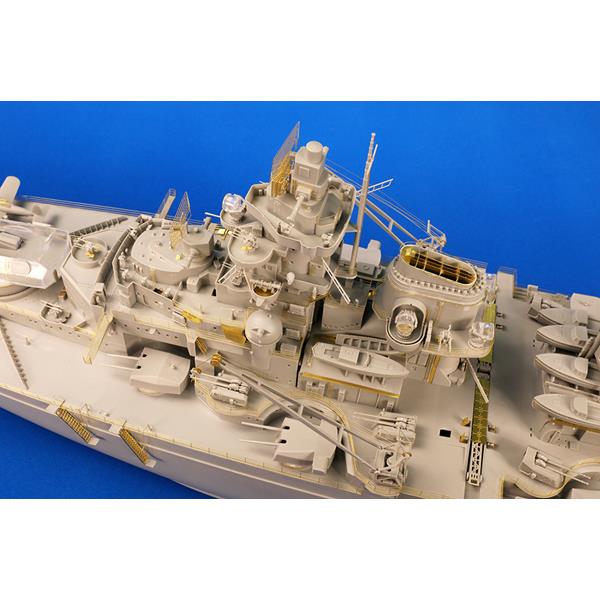
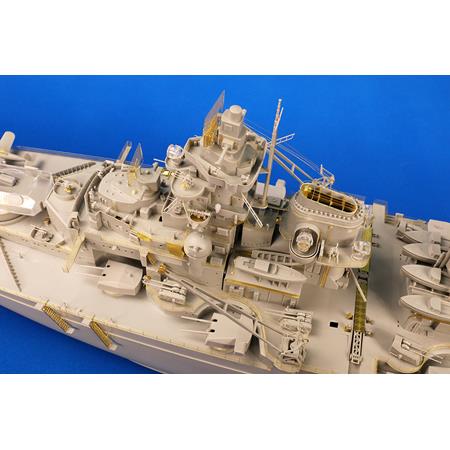


German Battleship Tirpitz (1:200)
Item Number:
TRU03703
TRU03703
Manufacturer
TRUMPETER
TRUMPETER
Scale:
1:200
1:200

217.70 €
VAT included plus shipping and handling
Appears soon
We expect to arrive at middle / end of October 2026
Expected to be released middle / end of October 2026
Giant plastic model kit of the German battleship *Tirpitz*
The *Tirpitz* was the second battleship of the *Bismarck* class and one of the largest and most powerful warships of the German *Kriegsmarine* during World War II. Built at the Wilhelmshaven Naval Shipyard, she was launched on April 1, 1939, and commissioned on February 25, 1941. Named after Grand Admiral Alfred von Tirpitz, she was designed as a formidable capital ship intended for operations against Allied convoys and heavy surface units. However, following the loss of her sister ship *Bismarck*, the *Tirpitz* was rarely deployed offensively; instead, she became a strategic threat that tied down significant Allied naval forces without regularly engaging in major naval battles.
With a length of 251 meters and a standard displacement of approximately 42,900 tons—exceeding 52,000 tons fully loaded—the *Tirpitz* was one of the largest battleships of her time. Three Brown-Boveri high-pressure turbines, delivering a total output of around 163,000 shaft horsepower, gave the ship a top speed of over 30 knots. Her main armament consisted of eight 38 cm SK C/34 rapid-fire guns in four twin turrets, supplemented by twelve 15 cm guns, sixteen 10.5 cm anti-aircraft guns, and numerous 3.7 cm and 2 cm anti-aircraft guns. Heavy belt armor up to 320 mm thick and an elaborate underwater protection system made the *Tirpitz* an exceptionally resilient warship.
From 1942 onwards, the *Tirpitz* operated primarily in Norwegian fjords. From there, she threatened the Allied Arctic convoys bound for Murmansk, forcing the Royal Navy to keep strong battleship and aircraft carrier task forces constantly on standby to protect them. Although she saw little combat action, her mere presence significantly influenced Allied operational planning. In September 1943, alongside the battleship *Scharnhorst*, she took part in Operation Sicily—an attack on Allied installations on Svalbard—marking the only major use of her main artillery during her entire service life.
The Royal Navy and the Royal Air Force made numerous attempts to neutralize the battleship. In addition to attacks by midget submarines, there were repeated air raids by British carrier-based aircraft that damaged the ship on several occasions. The decisive blow was finally struck by the Royal Air Force on November 12, 1944, during Operation Catechism. Heavy Lancaster bombers dropped specially designed 5.4-ton Tallboy bombs, scoring several direct hits. The *Tirpitz* capsized off Tromsø within minutes, resulting in the deaths of approximately 1,000 crew members. Its sinking marked the end of the story of the last German battleship—a vessel that had tied up significant Allied military forces for years, even though it had seen direct combat only relatively rarely.
- Scale: 1:200
- Dimensions (L x W, assembled): 1,265 x 181 mm
- 1,800+ parts
- One-piece hull produced using slide-molding technology
- Single-piece deck molding
- Detailed weaponry
- Photo-etched parts for railings, ladders, radar components, etc.
- Metal anchor chain and propeller shafts
- Includes 4 sprues for Ar 196 seaplanes
- Unassembled, unpainted
- Paint and glue not included
The *Tirpitz* was the second battleship of the *Bismarck* class and one of the largest and most powerful warships of the German *Kriegsmarine* during World War II. Built at the Wilhelmshaven Naval Shipyard, she was launched on April 1, 1939, and commissioned on February 25, 1941. Named after Grand Admiral Alfred von Tirpitz, she was designed as a formidable capital ship intended for operations against Allied convoys and heavy surface units. However, following the loss of her sister ship *Bismarck*, the *Tirpitz* was rarely deployed offensively; instead, she became a strategic threat that tied down significant Allied naval forces without regularly engaging in major naval battles.
With a length of 251 meters and a standard displacement of approximately 42,900 tons—exceeding 52,000 tons fully loaded—the *Tirpitz* was one of the largest battleships of her time. Three Brown-Boveri high-pressure turbines, delivering a total output of around 163,000 shaft horsepower, gave the ship a top speed of over 30 knots. Her main armament consisted of eight 38 cm SK C/34 rapid-fire guns in four twin turrets, supplemented by twelve 15 cm guns, sixteen 10.5 cm anti-aircraft guns, and numerous 3.7 cm and 2 cm anti-aircraft guns. Heavy belt armor up to 320 mm thick and an elaborate underwater protection system made the *Tirpitz* an exceptionally resilient warship.
From 1942 onwards, the *Tirpitz* operated primarily in Norwegian fjords. From there, she threatened the Allied Arctic convoys bound for Murmansk, forcing the Royal Navy to keep strong battleship and aircraft carrier task forces constantly on standby to protect them. Although she saw little combat action, her mere presence significantly influenced Allied operational planning. In September 1943, alongside the battleship *Scharnhorst*, she took part in Operation Sicily—an attack on Allied installations on Svalbard—marking the only major use of her main artillery during her entire service life.
The Royal Navy and the Royal Air Force made numerous attempts to neutralize the battleship. In addition to attacks by midget submarines, there were repeated air raids by British carrier-based aircraft that damaged the ship on several occasions. The decisive blow was finally struck by the Royal Air Force on November 12, 1944, during Operation Catechism. Heavy Lancaster bombers dropped specially designed 5.4-ton Tallboy bombs, scoring several direct hits. The *Tirpitz* capsized off Tromsø within minutes, resulting in the deaths of approximately 1,000 crew members. Its sinking marked the end of the story of the last German battleship—a vessel that had tied up significant Allied military forces for years, even though it had seen direct combat only relatively rarely.
Customer Reviews 0
Write now your personal experience with this article and help others with their purchase decision.
