 Bandai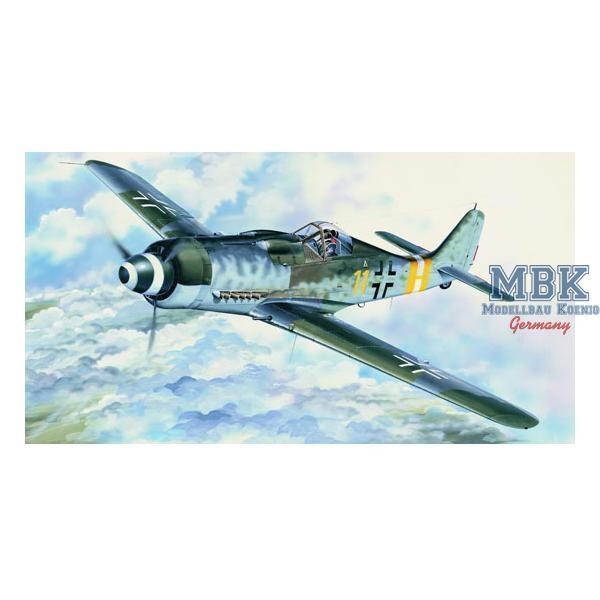
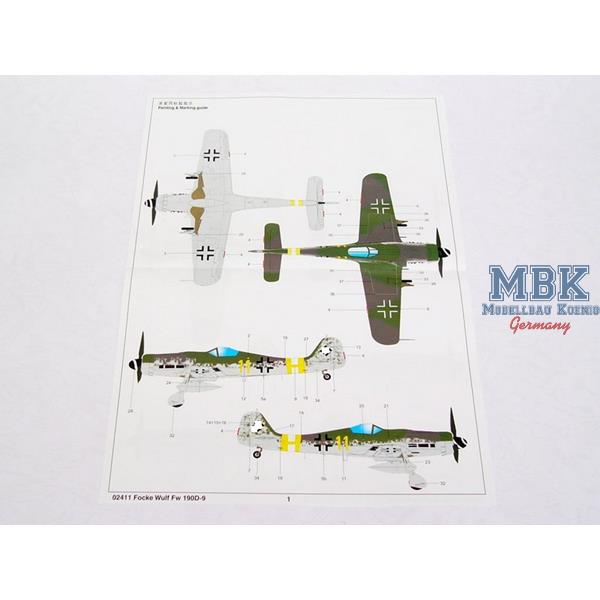
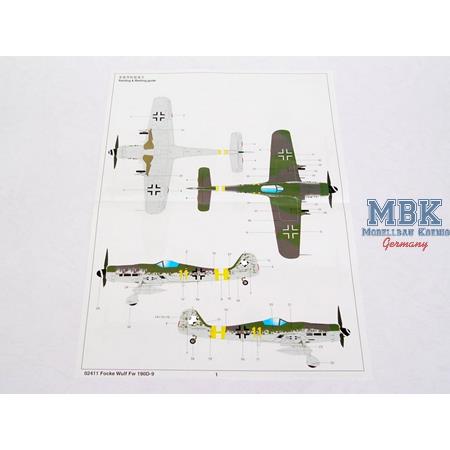
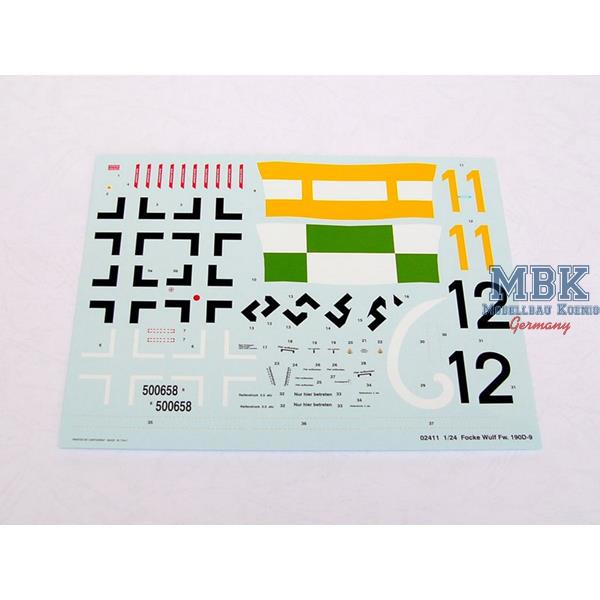
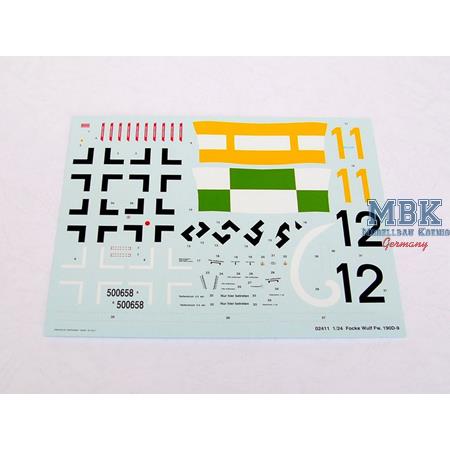
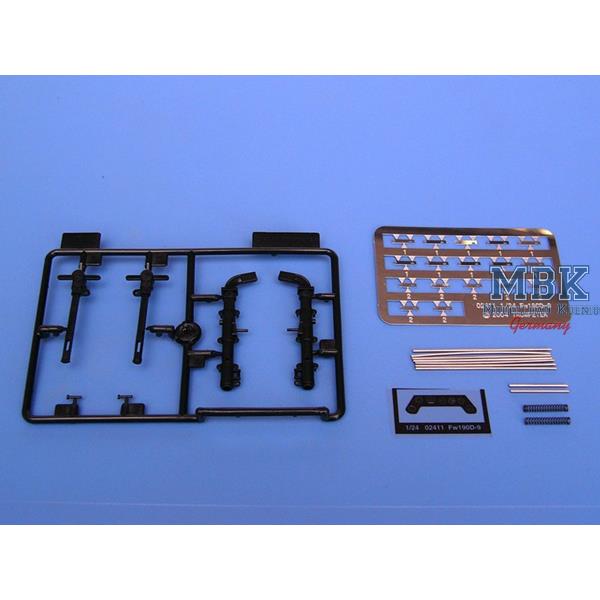
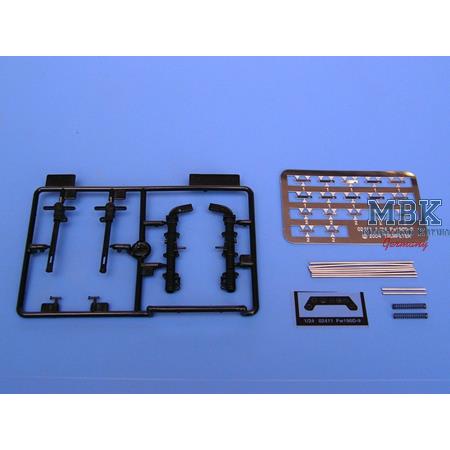
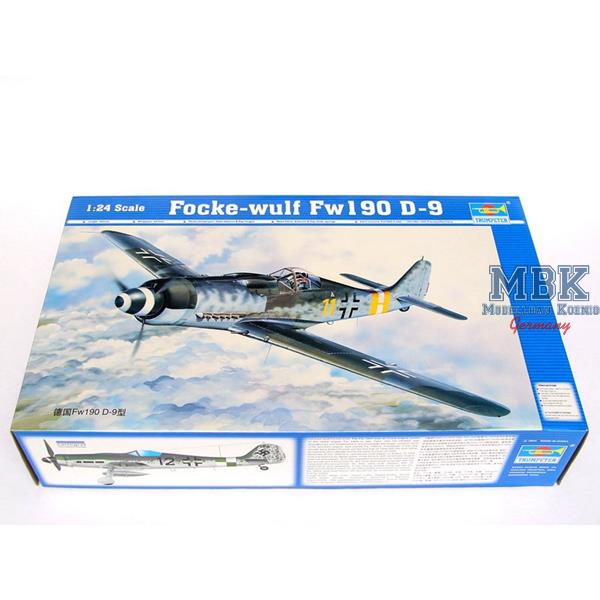
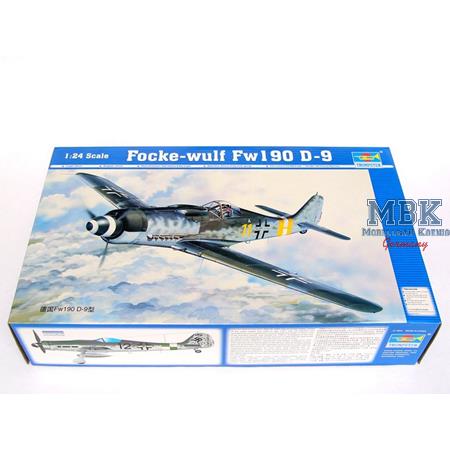



The Fw-190D interceptor was considered by many German pilots to be the best piston-engined fighter in Luftwaffe service.
It was a development of the widely used Fw-190A, equipped with new engines and technical equipment.
Prototype testing began in March 1942.
The first production variant was designated the D-9. Construction began in the summer of 1944.
The D-9 multi-role aircraft carried bombs in some versions and radar in others, and was even faster than the D-1. Nicknamed "Dora-9," it entered service in October 1944 with III/JG-54 (the 3rd Squadron of Jagdgruppe 54), then with I and II/JG-26 (until January 1945), and with JG-2 and JG-301 (early 1945).
Allied and Luftwaffe pilots immediately dubbed it the "Long Nose" Fw-190.
On its first mission with the new Fw-190D-9, II/JG-26 shot down four British Lancaster bombers and one Mosquito fighter, losing a Dora-9 in the process. Several Fw-190D-9-equipped groups, including JG-2 and JG-26, participated in airfield raids with nearly 1,000 aircraft during the ill-advised "Operation Bodenplatte," which opened the Battle of the Bulge on January 1, 1945.
By the time JG-6 received 150 D-9s in April 1945, fuel supplies were already so low from bombing that only four aircraft could fly at a time.
Development continued with versions D-10 to D-15, all designed as multi-role interceptor/ground-attack aircraft with a variety of engines—the Daimler-Benz DB-603A and EB, the Junkers Jumo 213EB and F, with and without water-methanol injection.
Further development continued as the Ta-152. Between 650 and 700 Fw-190Ds were completed before production ceased in 1945.
Plastic model kit
- with photo-etched parts
Scale 1:24
unbuilt / unpainted
Paint and glue not included
Write now your personal experience with this article and help others with their purchase decision.
