Bandai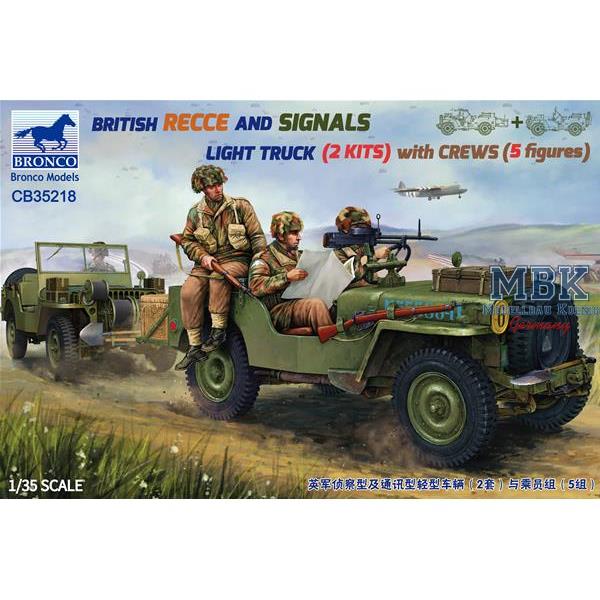
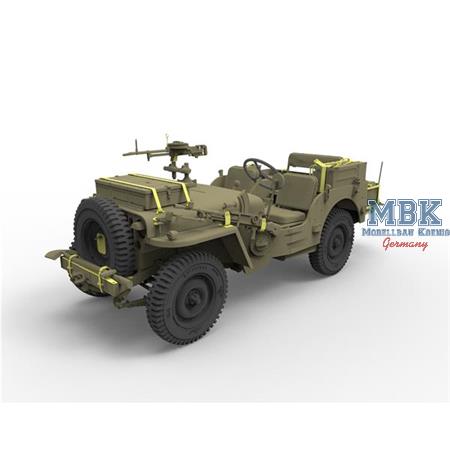
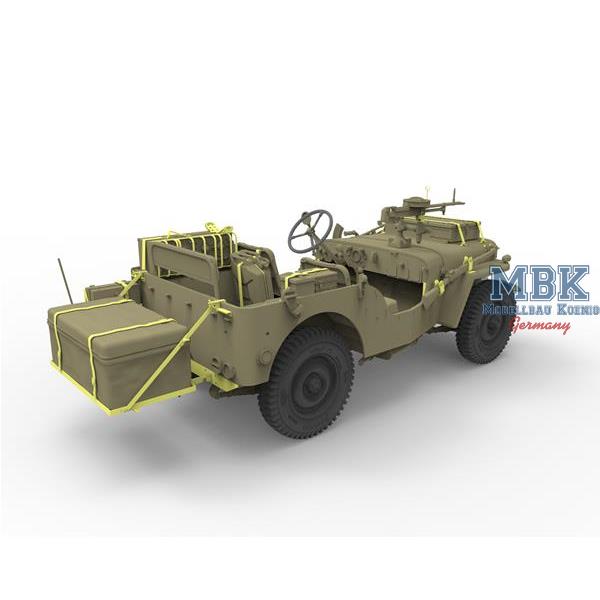
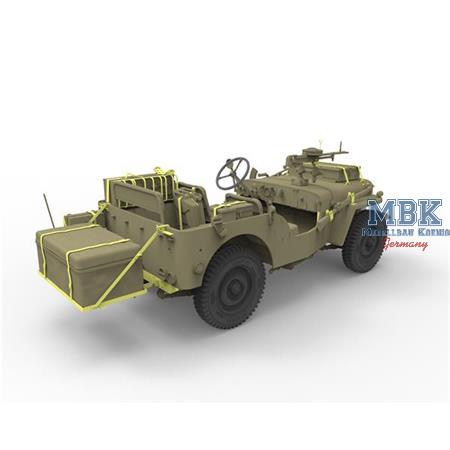
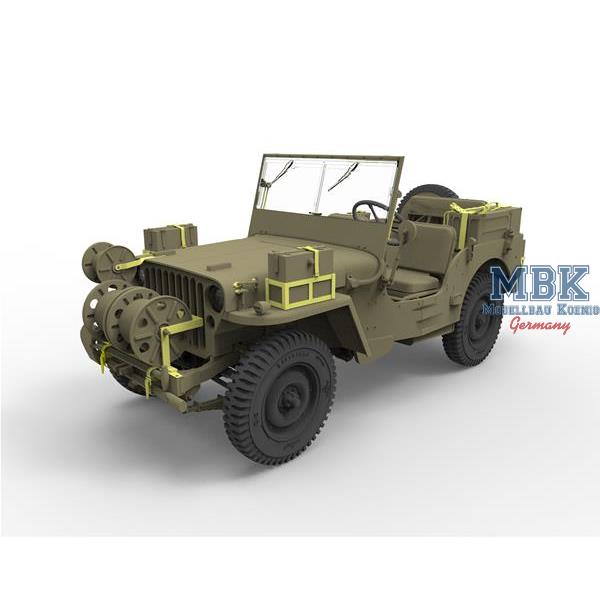
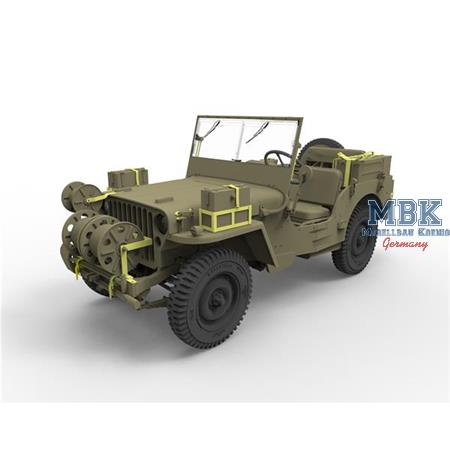
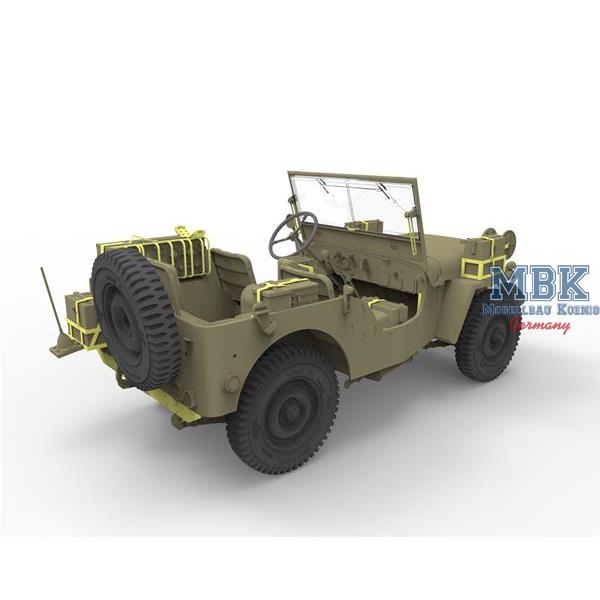
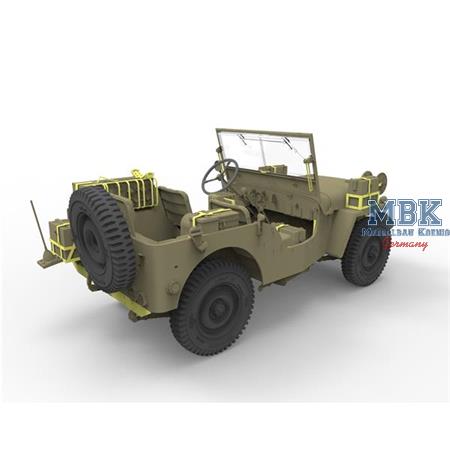
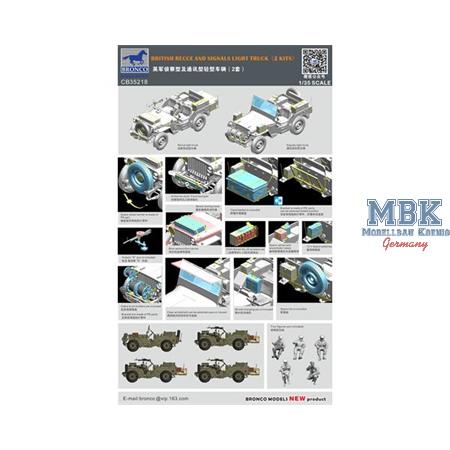


The Jeep Willys MB undoubtedly occupies a significant place in automotive history.
The Jeep's origins date back to early 1941, when the US military commissioned Willys, Ford, and Bantam to develop prototypes of a small, multi-purpose, four-wheel-drive vehicle.
At the beginning of World War II, Germany had achieved remarkable success through the use of motorized troops in its Blitzkrieg tactics.
The Allied nations had a growing need for robust and reliable vehicles with excellent off-road capabilities.
In November 1941, the Army selected the Willys vehicle as the basis for the mass-production model, adapting the front grille and hood to the Ford design.
This marked the birth of the Willys MB (Model B).
The early Willys MB featured a welded louvered front grille.
Due to the need to increase production, the Army ordered Ford to begin mass production using the Willys MB blueprints.
The vehicle was designated GPW, and a simple pressed steel front grille was introduced.
During World War II, the Willys MB and the Ford GPW saw action on every front.
As a means of transporting soldiers, it played a vital role in the Allied victory.
It was also used for liaison, command, and communications purposes, and sometimes even as an ambulance.
By August 1945, production had reached approximately 640,000 units.
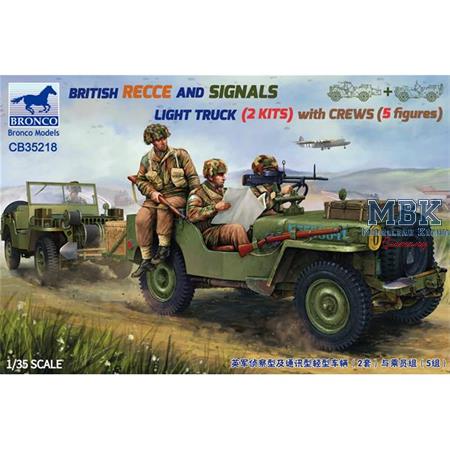
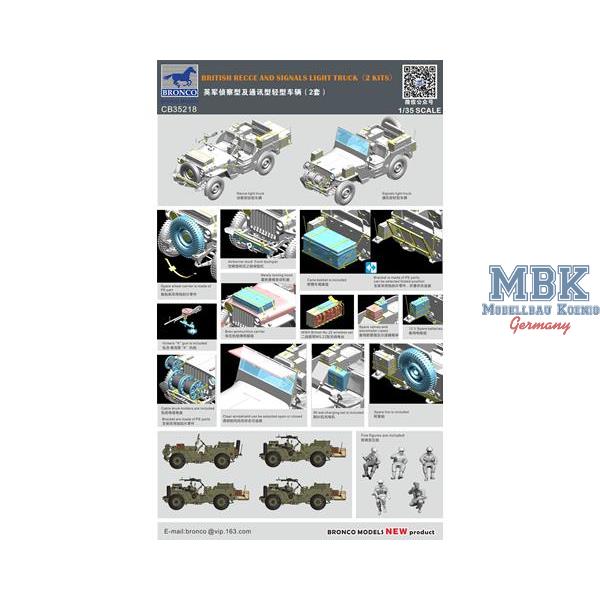
Two injection-molded plastic kits for building two British Jeeps (reconnaissance and communications versions) of the British Airborne Forces.
unbuilt / unpainted.
Paint and glue not included.
The Jeep's origins date back to early 1941, when the US military commissioned Willys, Ford, and Bantam to develop prototypes of a small, multi-purpose, four-wheel-drive vehicle.
At the beginning of World War II, Germany had achieved remarkable success through the use of motorized troops in its Blitzkrieg tactics.
The Allied nations had a growing need for robust and reliable vehicles with excellent off-road capabilities.
In November 1941, the Army selected the Willys vehicle as the basis for the mass-production model, adapting the front grille and hood to the Ford design.
This marked the birth of the Willys MB (Model B).
The early Willys MB featured a welded louvered front grille.
Due to the need to increase production, the Army ordered Ford to begin mass production using the Willys MB blueprints.
The vehicle was designated GPW, and a simple pressed steel front grille was introduced.
During World War II, the Willys MB and the Ford GPW saw action on every front.
As a means of transporting soldiers, it played a vital role in the Allied victory.
It was also used for liaison, command, and communications purposes, and sometimes even as an ambulance.
By August 1945, production had reached approximately 640,000 units.
Two injection-molded plastic kits for building two British Jeeps (reconnaissance and communications versions) of the British Airborne Forces.
- five figures included.
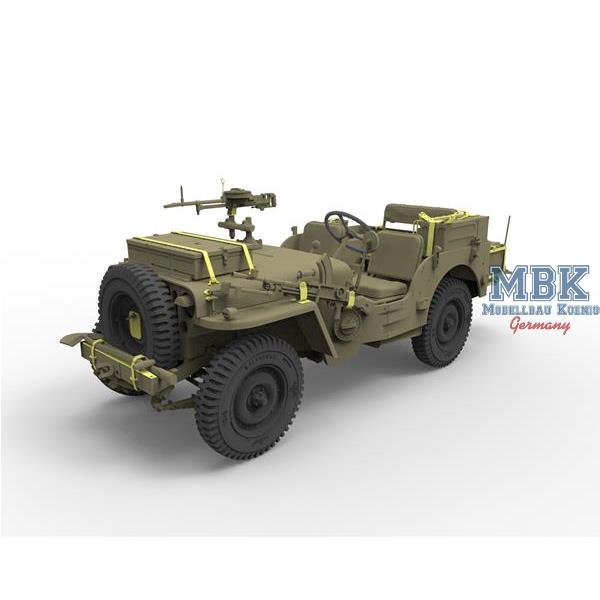
- with photo-etched parts
unbuilt / unpainted.
Paint and glue not included.
Suitable Accessories


4.95 €*

14.95 €*

9.95 €*

11.50 €*

Customer Reviews 2
Write now your personal experience with this article and help others with their purchase decision.